A Journey to an Energy-Efficient Cotswold Cottage
Our guests say
"Cornerstone Cottage is warm & cosy in winter, when temperatures can drop below -10°C".
They also say
"The cottage stays cool in summer,
even when outdoor temperatures soar to 38°C"
Many holiday properties are cold in winter & hot in summer,
Like Cornerstone Cottage before we improved our beloved holiday home
When Cornerstone Cottage was built in 2003, it fully complied with the UK building regulations of the time. Like many properties constructed in the early 2000s, it met the standards expected then — but over time it became increasingly clear that “meeting regulations” did not necessarily mean comfort, efficiency, or resilience to extreme weather.
Situated on the exposed Lower Mill Estate, the cottage faces a environmental challenges. In winter, icy winds sweep unhindered across the lakes. During severe cold snaps, temperatures in the wider Cotswold region have dropped close to −20 °C (−4 °F), particularly during the December 2010 freeze.
We love our cottage, but it was hard to love being there when it took nearly 10 hours to get to a bearable temperature (wearing coats indoors).
In summer, upstairs bedrooms retain heat long into the night during heatwaves such as the 38 °C (100.4 °F) temperatures in July 2022. Thankfully we were preserved from this due to the changes we had made.
Over the last decade, Cornerstone Cottage has undergone a carefully considered transformation — not through one dramatic renovation, but through a series of practical improvements focused on comfort, efficiency, sustainability, and guest wellbeing.
The result is now a rare achievement among traditional Cotswold holiday cottages: a genuinely comfortable cottage in all seasons, with the added distinction of earning a coveted “C” Energy Performance Certificate (EPC) rating.
From Draughty Holiday Cottage to Comfortable Year-Round Retreat
Winter: Beautiful but Bitterly Cold

Although charming in appearance, the cottage originally suffered from many common weaknesses found in homes of its era:
- badly fitting timber-framed windows,
- draughts around doors and frames,
- limited insulation standards by modern expectations,
- and inefficient electric panel heaters, which also took a very long time to heat up.
The experience during the severe winter of 2010 highlighted these shortcomings dramatically.
With outside temperatures approaching −20 °C (−4 °F) and freezing winds sweeping across the lakes, the cottage struggled to retain warmth. Even with every electric heater switched on and the log fire burning continuously, the property could take 10 hours or more to feel warm after arrival.
For guests arriving after long winter journeys, this was far from ideal.
Summer: Surprisingly Overheated

- Bedrooms became excessively warm due to inadequate roof insulation.
- Opening windows often provided little relief during heatwaves, with outdoor temperatures hardly dropping at all.
- During heatwaves the cottage could remain uncomfortably hot overnight.
The July 2022 UK heatwave demonstrated how increasingly important summer cooling has become in British homes.
Temperatures in the region reached approximately 38 °C (100.4 °F), and this is becoming increasingly frequent.
The Journey Towards Efficiency and Comfort
The Journey Towards Efficiency and Comfort
Rather than accepting these limitations, the cottage owners began a gradual programme of improvements.
Each stage built upon the previous one.
2016 — Replacing Windows & Doors
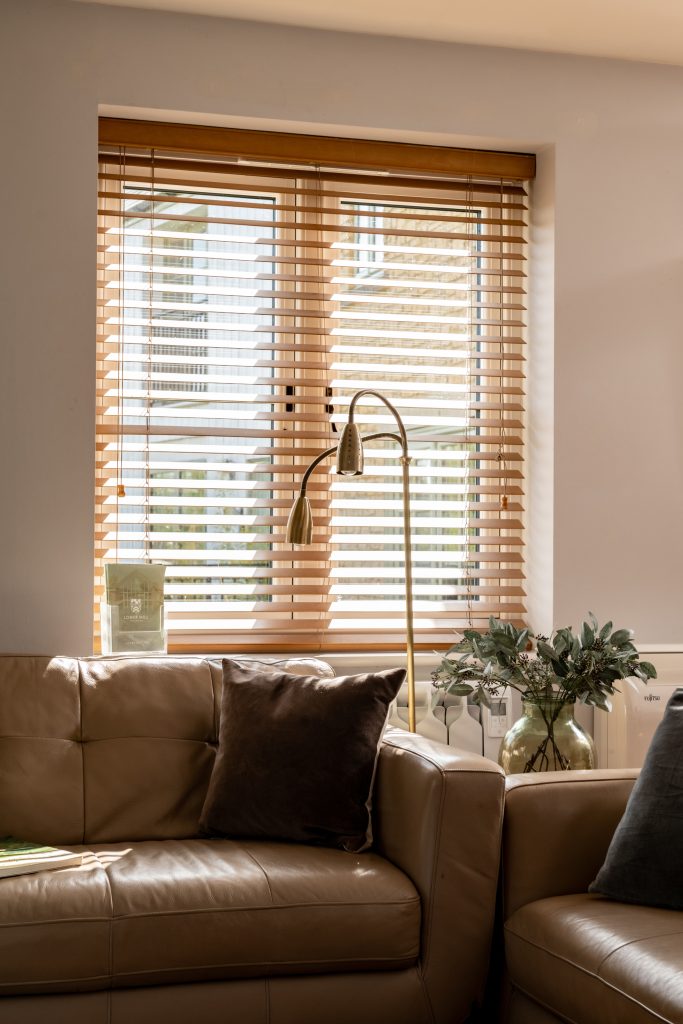
The first major step was replacing the original timber-framed windows and doors.
The impact was immediate.
Modern high-performance glazing and improved seals dramatically reduced draughts and heat loss while also improving summer temperature stability.
Why Modern Windows Matter
According to the UK Energy Saving Trust, inefficient windows can account for a substantial proportion of household heat loss.
Useful comparison resources:
- Energy Saving Trust – Double Glazing Guide
- Which? Window Comparison Guide
The cottage immediately felt less exposed to winter winds and more stable in temperature year-round.

2017 — Improving Insulation
The next breakthrough came after conversations with a trusted plasterer friend, Colin.
His suggestion was simple but transformative:
overboard internal walls with insulated plasterboard over counter battens.
The work was carried out during a particularly cold January period in 2017, allowing the improvements to be felt almost immediately.
The Difference Insulation Makes
Internal insulated plasterboard dramatically improves:
- heat retention,
- wall surface temperature,
- and overall comfort.
Importantly, rooms no longer felt cold and “radiating chill” from the walls themselves.
In case you are interested, comparison and technical references:
- Kingspan Insulated Plasterboard Guide
- British Gypsum Thermal Insulation Systems
- Homebuilding – Internal Wall Insulation Explained
2018 — Installing an A++ Rated Heat Pump with Air Conditioning
The most significant leap forward came in 2018 with the installation of a modern A++ rated heat pump system.
This transformed the cottage in two important ways:
Winter Benefits
The cottage could now:
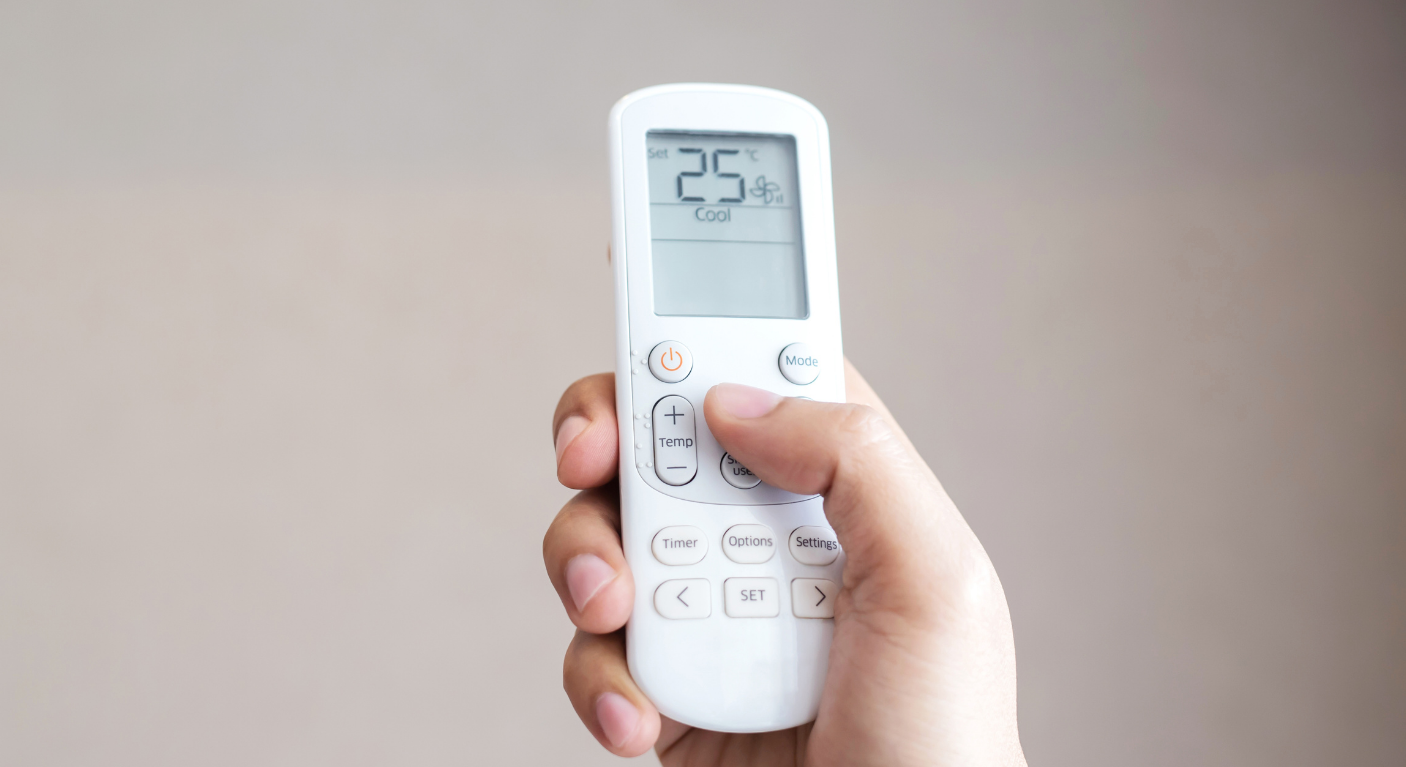
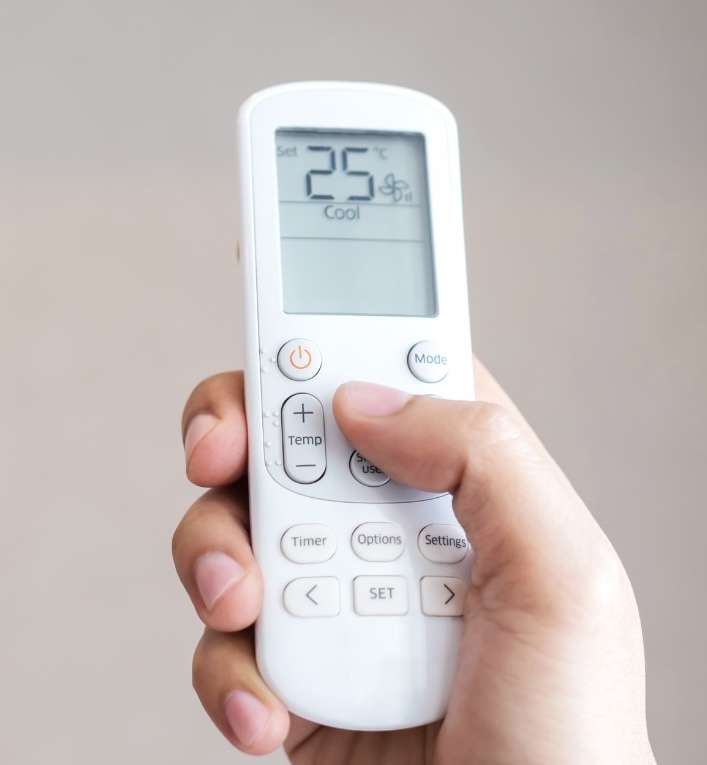
- warm rapidly (and with remote control so it is already warm on arrival)
- maintain stable temperatures efficiently,
- and operate far more economically than traditional electric panel heaters.
Summer Benefits
Equally importantly, the system also provided air conditioning (& cool on arrival thanks to remote control).
For many UK properties, cooling is becoming increasingly important as summers become hotter and more prolonged.
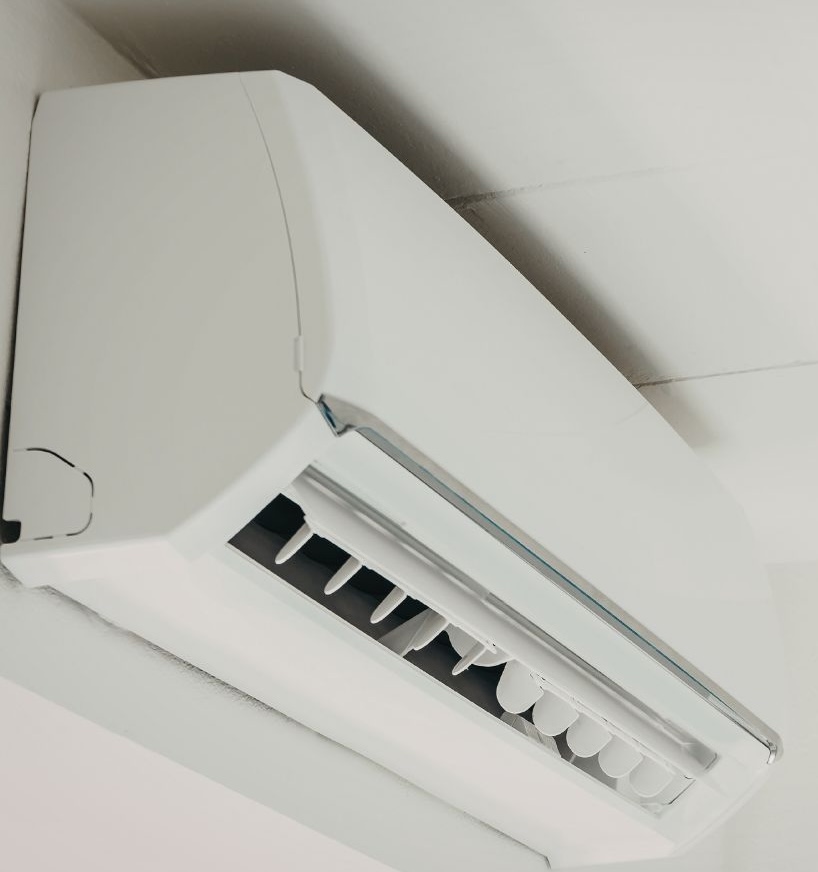
Within approximately 15–30 minutes, the cottage can now:
- cool bedrooms comfortably,
- reduce humidity,
- and provide relief during heatwaves.
This has proved especially valuable for:
- older guests,
- pregnant visitors,
- families with young children,
- and guests with health conditions aggravated by heat
Many families who may otherwise have struggled through summer holidays have instead been able to enjoy restful stays at Cornerstone Cottage.
2023 — Modern Smart Panel Heaters
Although the heat pump now handles almost all heating and cooling requirements, the cottage owners added modern electric panel heaters in 2023 as a highly efficient backup system.
These newer heaters:
- heat far faster than the originals,
- consume less electricity,
- and can be remotely controlled.
In practice, they are rarely needed — but they provide reassurance and flexibility should additional heating ever be required.
2024 - Energy-efficient Appliances
Installation of our new kitchen included:
- Induction hob replacing the previous halogen
- Installation of energy-efficient fridge, dishwasher, washing machine & clothes tumble dryer.
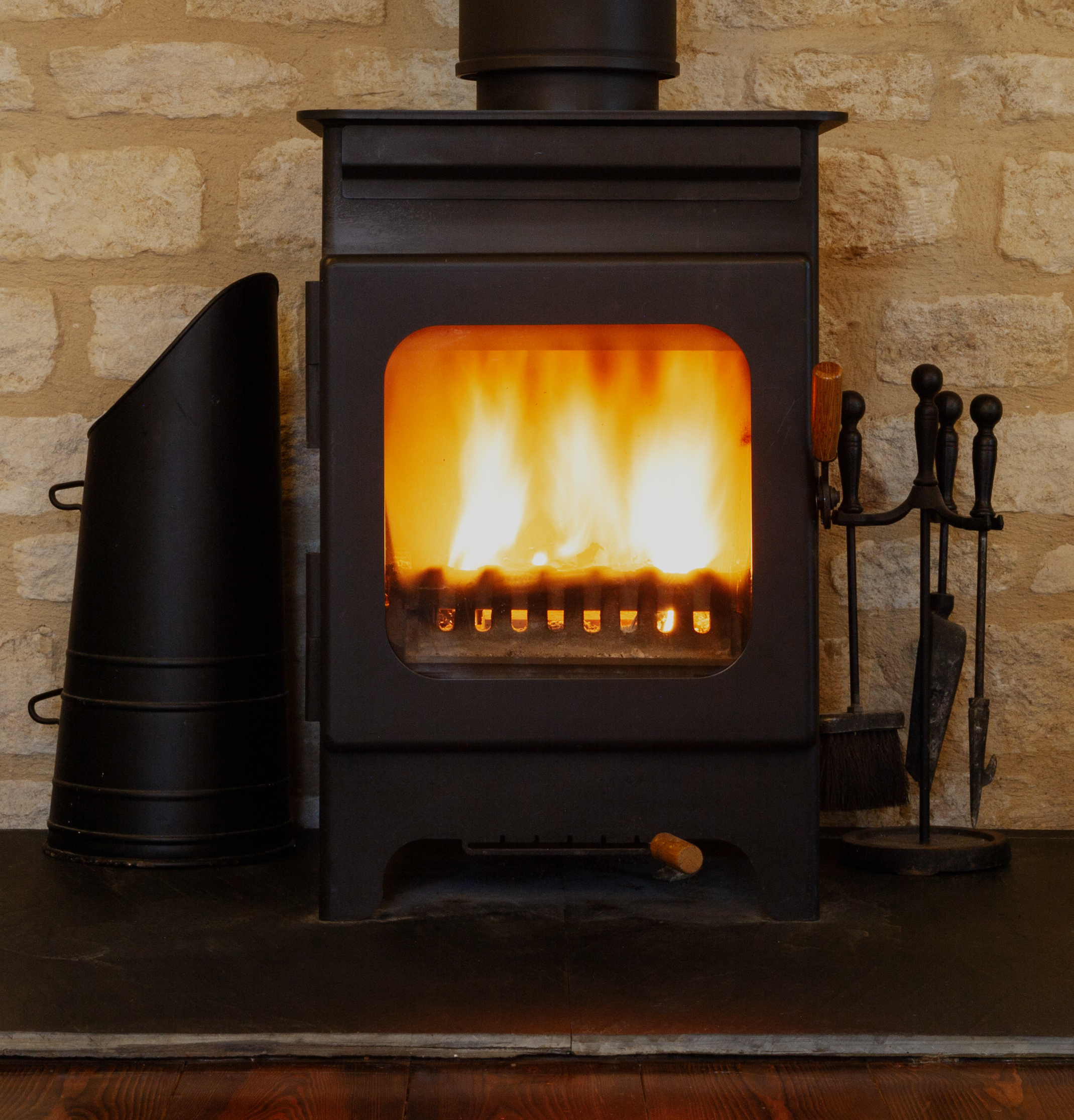
The Log Burner: Atmosphere with Efficiency
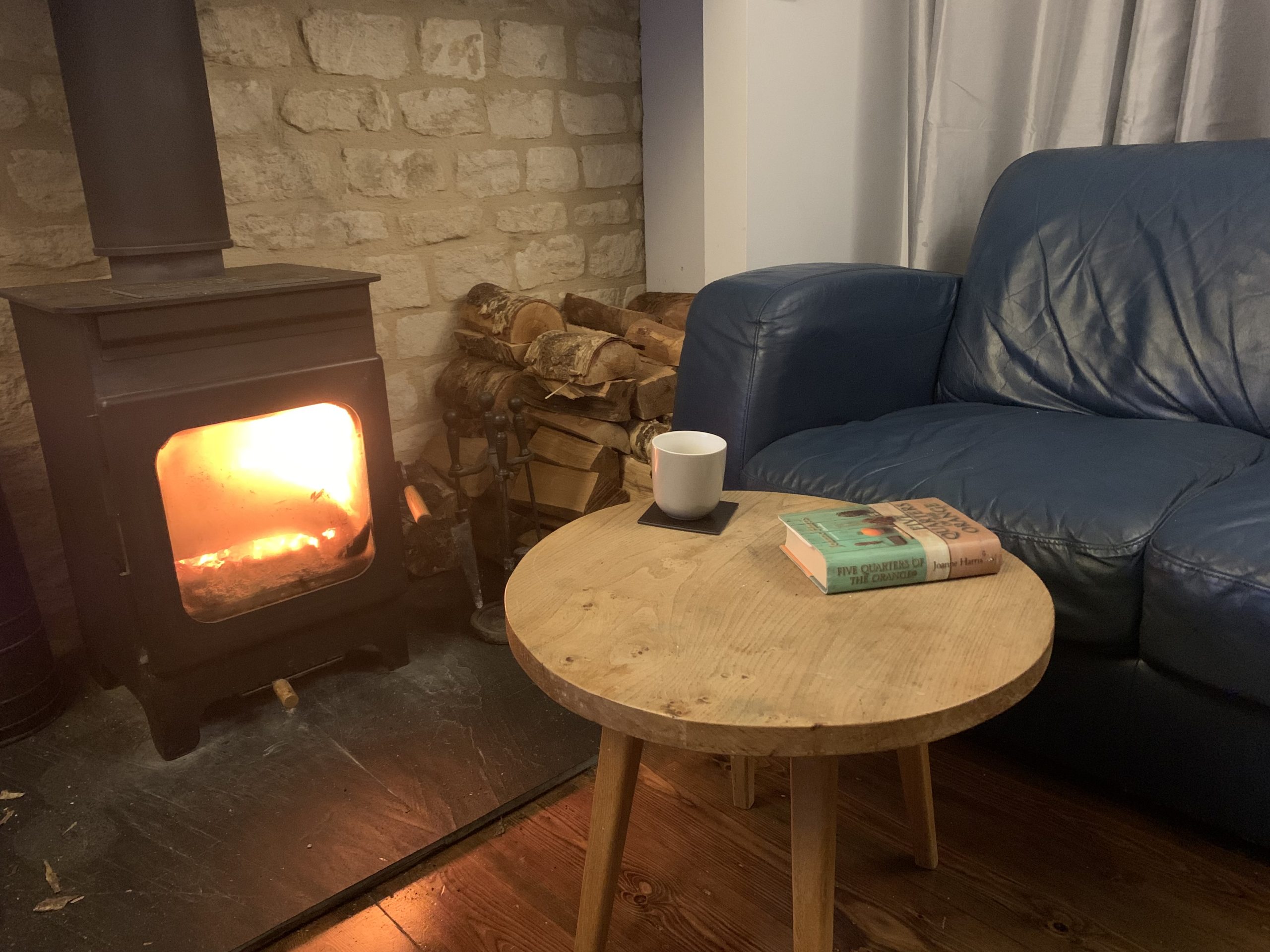
Of course, no Cotswold cottage experience would feel complete without a real fire.
Cornerstone Cottage retains its log burner, but efficiency and environmental responsibility were key considerations when choosing it.
The cottage warms very quickly with the log burner due to the explosed internal flue pipe and the open plan design of the cottage.
We are also pleased to experience the benefits of an efficient modern stove, which:
- produces more heat from less fuel,
- emits fewer particulates,
- and complements the low-energy heating strategy of the cottage.
Starter logs and logs are supplied for guests to enjoy cosy evenings throughout the year.
The Result - A Remarkable Transformation

Winter Comfort
The cottage now warms in approximately 15–30 minutes, rather than the 10+ hours experienced during the severe winter of 2010.
Summer Comfort
Bedrooms can now be cooled quickly and effectively during hot weather, making summer stays far more comfortable.
Happier Guests
Guest feedback consistently highlights:
- winter comfort,
- cool summer bedrooms,
- ease of remote-controlled heating,
- and the ability to enjoy the cottage in all seasons.
For some guests, particularly vulnerable family members,
the air conditioning has made holidays possible
that otherwise might have been avoided during extreme heat.
Reduced Energy Consumption
The combination of:
- better insulation,
- improved glazing,
- efficient heating,
- and smart temperature control
has significantly lowered electricity consumption.
Reduced Draughts
The cottage now feels calm, stable, and insulated from the exposed lakeside winds.
Remote Control
Guests arrive to a cottage which is warm in winter, or cool in summer and with hot water ready use.

Achieving a Rare EPC “C” Rating
Many traditional Cotswold cottages struggle to achieve strong EPC ratings due to:
- solid walls,
- older construction methods,
- conservation constraints,
- and inefficient heating systems.
Achieving a “C” EPC rating is therefore a significant accomplishment.
Looking Ahead
The story of Cornerstone Cottage reflects a broader shift happening across the UK.
What began as a draughty but charming lakeside cottage has become something much more valuable:
a genuinely energy-efficient, climate-resilient retreat in the heart of the Cotswolds.