
Spring Walks
Spring in the Cotswolds runs from late January through to May, with snowdrops, daffodils, bluebells and newborn lambs each marking a different chapter of the season.
-
- The best bluebell walks include Dover's Hill near Chipping Campden, Littleworth Wood on the Stanton–Snowshill–Stanway loop, and Foxholes Nature Reserve near Burford — all within easy reach of Lower Mill Estate.
- Cotswold Farm Gardens near Cirencester boasts over 80 varieties of snowdrops, making it one of the finest snowdrop displays in the entire UK.
- Timing your visit matters — snowdrops peak late January to mid-February, daffodils fill the woodlands from late February through March, and bluebells carpet the forest floors from mid-April through May.
- Lower Mill Estate sits at the heart of the Cotswolds Water Park, making it an ideal base from which to explore all of the region's best spring walks, drives and flower displays.
Spring Arrives Early in the Cotswolds
Few places in England wear spring quite like the Cotswolds does.
From the moment the first snowdrops push through frozen ground in late January, the region begins a slow, breathtaking transformation that lasts all the way through to the bluebell-carpeted woodlands of May. Honey-stone villages, rolling meadows, ancient woodland and flower-rich grasslands combine to create a spring landscape that genuinely has no equal in the English countryside. If you've ever considered timing a visit around the season, this is the year to do it.
Why the Cotswolds is One of England's Best Spring Destinations
The Cotswolds is an Area of Outstanding Natural Beauty covering over 800 square miles across Gloucestershire, Oxfordshire, Warwickshire, Wiltshire and Worcestershire. What makes it so exceptional in spring specifically is the sheer variety of habitats packed into a relatively compact area. Ancient deciduous woodland, limestone grassland, river valleys, traditional orchards and managed estate gardens all bloom at different times and in different ways — meaning there's almost always something worth walking to.
The famous Cotswold stone villages add a layer of charm that's hard to replicate elsewhere. Walking through Stanton, Bourton-on-the-Water or Chipping Campden in April, with blossom overhead and wildflowers in the verges, is one of those travel experiences that earns its reputation. Lower Mill Estate, set within the Cotswolds Water Park near Cirencester, provides the kind of peaceful, well-located base that lets you explore the full width of the region without rushing.
When to Visit for Snowdrops, Bluebells, Daffodils and Lambs
Spring in the Cotswolds isn't a single moment — it's a sequence. Each flower and seasonal event arrives on its own schedule, and knowing the timing means you can plan a visit around exactly what you want to see.
| Season Highlight | Peak Timing | Where to See It |
| Snowdrops | Late January – mid-February | Cotswold Farm Gardens, Painswick Rococo Garden, Cotswold Wildlife Park |
| Wild Daffodils | Late February – March | Dymock Forest, Kempley Green, Gloucestershire meadows and orchards |
| Cherry Blossom | Late March – April | Broadway Village, Vale of Evesham |
| Bluebells | Mid-April – May | Dover's Hill, Littleworth Wood, Foxholes Nature Reserve |
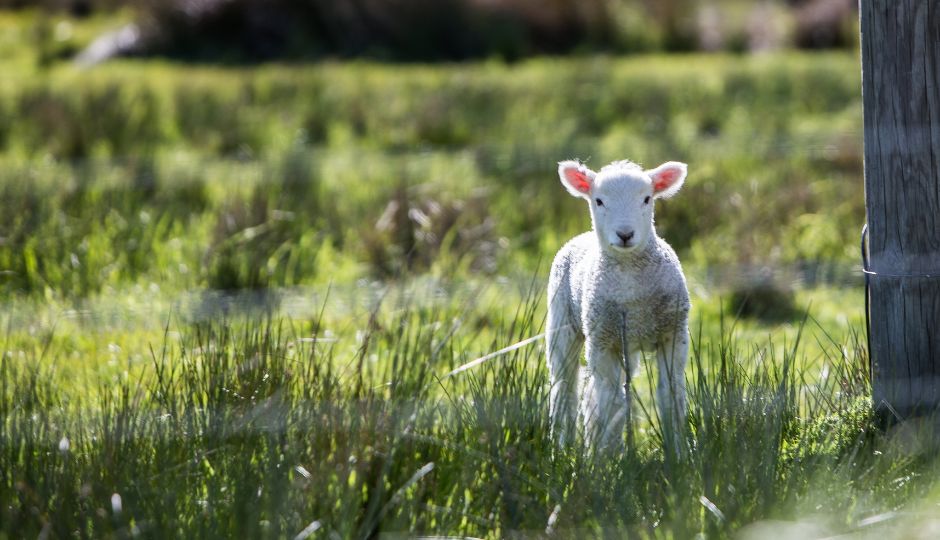
| Newborn Lambs | February – April | Cotswold farmland, roadside fields throughout the region |
Where to See Snowdrops in the Cotswolds
Snowdrops are the Cotswolds' quiet opener — delicate, easy to miss, and completely unmistakable when they arrive en masse across a woodland floor. Gloucestershire and the wider Cotswolds region are widely regarded as having some of the finest snowdrop displays in the UK, with several dedicated gardens and woodland walks opening specifically for the season.
Cotswold Farm Gardens: 80+ Varieties Near Cirencester
Cotswold Farm Gardens, located near Cirencester, is one of the standout snowdrop destinations in the entire country. The garden boasts over 80 varieties of snowdrops, blooming in the borders as well as along woodland paths that wind through the property. Visiting here in early February, on a crisp morning when the light catches the white flowers against dark winter soil, is genuinely one of the Cotswolds' best seasonal experiences. It's a short drive from Lower Mill Estate, making it an easy half-day outing.
Cotswold Wildlife Park Snowdrop Season
Did you know? Cotswold Wildlife Park and Gardens is home to over 260 animal species — and in late January and early February, its grounds also burst into bloom with picture-perfect snowdrop displays, making it one of the few places in the UK where you can watch rhinos and snowdrops in the same afternoon.
The Cotswold Wildlife Park, set near Burford in Oxfordshire, opens its snowdrop season alongside its full animal programme. The combination of wildlife and winter flowers makes this a particularly good option for families. The snowdrops appear throughout the parkland gardens, providing a backdrop to the animal enclosures that feels surprisingly beautiful for a wildlife attraction.
Best Snowdrop Walks From Cornerstone Cottage
Staying at Cornerstone Cottage puts you within easy striking distance of both Cotswold Farm Gardens and the Wildlife Park, as well as the broader network of Gloucestershire woodland paths where wild snowdrops appear naturally in the hedgerows and verges each February. A short drive north toward Cirencester or west toward Burford opens up the best of the snowdrop season without needing to travel far.
The Best Bluebell Walks in the Cotswolds
If snowdrops are the Cotswolds' opening act, bluebells are the headline. From mid-April through May, ancient woodland floors across the region turn a shade of violet-blue that photographers chase every single year. The scent alone — sweet, faintly green, unmistakably English — makes these walks worth planning a holiday around.
Dover's Hill Bluebell Walk Near Chipping Campden
Dover's Hill, a National Trust-managed escarpment just a short walk from the market town of Chipping Campden, is one of the most rewarding bluebell destinations in the northern Cotswolds. The viewpoint at the top offers sweeping views across the Vale of Evesham, and the descent through Lynches Wood takes walkers directly through one of the region's most impressive bluebell displays. It's accessible, well-signposted, and genuinely spectacular in late April.
Lynches Wood: What to Expect on the Trail
Lynches Wood sits just below Dover's Hill and forms the bluebell centrepiece of this walk. The ancient woodland here supports a dense carpet of native bluebells — the kind that grow in straight, uninterrupted swathes rather than scattered patches. The trail through the wood is well-worn but not heavily managed, giving it a wild, undisturbed feel that more manicured gardens simply can't replicate. Early morning visits, before the crowds arrive from Chipping Campden, offer the best light and the quietest experience.
Stanton, Snowshill and Stanway: Bluebells at Littleworth Wood
The circular walk linking the villages of Stanton, Snowshill and Stanway is one of the Cotswolds' most beloved routes at any time of year — but in late April and early May, the addition of bluebells in Littleworth Wood elevates it to something genuinely special. The path winds through classic Cotswold scenery before dropping into the woodland, where bluebells carpet the forest floor in every direction. There is a lovely café at Snowshill Manor, which is well worth a stop mid-walk, though note that National Trust membership or an entrance fee is required.
Daffodils and Spring Blossom Worth Seeking Out
Before the bluebells arrive, the Cotswolds puts on a quieter but equally moving display of wild daffodils and spring blossom. From late February through March, yellow flowers fill the region's woodlands, orchards and meadows in a way that feels genuinely untouched. These aren't the cultivated daffodils of a garden centre — they're smaller, paler, and far more beautiful for being completely wild.
Broadway Village: Daffodils, Tulips and Blossom Trees
Broadway is one of the most photographed villages in the Cotswolds, and spring is arguably its finest season. The wide, tree-lined high street — which gives the village its name — is framed by flowering cherry and blossom trees in late March and early April, creating an archway of pink and white above the honey-stone cottages below. For those planning a visit, consider exploring some Cotswold walks to plan for the spring.
Daffodils and tulips appear in the cottage gardens and village greens throughout April, and the surrounding countryside offers easy, well-marked walking routes that extend the experience beyond the village itself. The walk from Broadway up to Broadway Tower, a folly sitting at 1,024 feet above sea level, passes through fields that are reliably dotted with lambs and early wildflowers in spring.
Broadway sits roughly 25 miles north of Cornerstone Cottage, making it an easy drive for a full day out that combines a village walk, a blossom trail and lunch at one of the village's well-regarded pubs or tea rooms. The combination of architecture, flowers and big Cotswold skies makes this one of the most rewarding spring day trips in the entire region.
Spring Blossom Tip: The Vale of Evesham, just beyond Broadway, is one of England's great blossom destinations. In late March and early April, the orchards surrounding the vale fill with apple, pear and plum blossom — a spectacle that stretches for miles and is best appreciated either on foot along the Wychavon Way or from the road on a slow, winding drive north from Broadway through the orchard villages.
If you're timing a visit to catch both the Broadway blossom and the Vale of Evesham orchards, aim for the last week of March or the first two weeks of April. The exact timing shifts slightly each year depending on temperatures, but this window catches the peak reliably in most years.
Kempley Daffodil Weekend: Organised Walks From the Village
Every spring, the small village of Kempley in the Forest of Dean fringe hosts its celebrated Daffodil Weekend, drawing walkers from across the region to see the wild daffodils that fill Dymock Forest and the surrounding fields and orchards. Organised walking routes lead from Kempley Green through the woodland, where the yellow flowers bloom in dense, unbroken drifts along the forest paths. It's one of those seasonal events that locals quietly treasure and visitors consistently describe as a highlight of their Cotswolds spring trip.
Where to See Newborn Lambs in the Cotswolds
From February through April, the Cotswolds' farming landscape transforms into one of the most heartwarming seasonal spectacles in England. The region's traditional sheep farming heritage means that newborn lambs appear in fields across the entire area — roadside, hillside, and visible from almost every walking route. No specific admission, no organised event required. Simply driving or walking through the countryside between Stow-on-the-Wold, the Slaughters, or the hills above Stroud in March will almost certainly deliver the sight of lambs in the fields. The Cotswold Lion sheep breed, historically significant to the region's wool trade, is still farmed across the area and particularly visible in the upland grazing fields near Snowshill and the escarpment walks above Broadway.
Top Spring Walks From Cornerstone Cottage
Lower Mill Estate's location within the Cotswolds Water Park, just south of Cirencester, places it at the geographic heart of the region. From here, the full range of spring walking experiences — snowdrops, daffodils, bluebells, blossom and lambs — is reachable within 30 to 45 minutes in almost any direction. Whether you're after a gentle family stroll or a full-day circular route with serious elevation, the walks radiating out from this base cover every level of ambition.
These are the routes worth prioritising this spring:
Broadway Village to Broadway Tower: Views, Lambs and a Café at the Top
Starting from Broadway's village green and climbing steadily up to Broadway Tower, this walk covers approximately 3.5 miles each way and gains around 700 feet in elevation. The path passes through open farmland where lambs are almost guaranteed in March and April, and the tower itself — a Grade II listed folly built in 1799 — sits at one of the highest points on the Cotswold escarpment. On a clear spring day, the views extend to 16 counties.
There is a café at Broadway Tower, making this a natural turnaround point for families or anyone who prefers a destination walk with a reward at the end. The descent back through the fields and into the village, with blossom trees lining the final approach, makes for one of the most satisfying spring walks in the northern Cotswolds.
Bourton-on-the-Water to the Slaughters: A Classic Family Walk
This is perhaps the most accessible and reliably beautiful spring walk in the southern Cotswolds. Starting from Bourton-on-the-Water — the so-called "Venice of the Cotswolds" — the route follows the River Eye north through water meadows to Lower Slaughter and Upper Slaughter, a distance of around 4 miles return. In spring, the meadows alongside the river are bright with wildflowers, and the villages themselves, built entirely from local limestone, look their absolute best against blue April skies.
The walk is almost entirely flat, making it ideal for families with young children or anyone who wants a leisurely pace. Lower Slaughter's historic Old Mill, now a museum and ice cream parlour, makes a natural halfway stop. This route is within 20 minutes of Lower Mill Estate and works perfectly as an evening walk during the long spring days.
Stanton, Snowshill and Stanway: A 6.3-Mile Cotswold Stone Village Loop
This circular route connecting three of the Cotswolds' most unspoiled stone villages is one of the region's great walks. At 6.3 miles, it takes in proper Cotswold scenery — rolling field paths, ancient hedgerows, orchard slopes and woodland — before passing through Stanton, Snowshill and Stanway in sequence. Each village is distinct: Stanton is pristine and almost entirely car-free; Snowshill is eccentric and elevated; Stanway has a tithe barn and gatehouse that belong on a postcard.
In spring, the walk through Littleworth Wood between Stanton and Snowshill delivers the bluebell display the route is famous for. The café at Snowshill Manor provides a welcome mid-walk break. Stanway House's restored baroque water garden, fed by a gravity-powered fountain that reaches 300 feet, is open on limited days through spring and summer — worth timing your visit accordingly.
Dover's Hill Circular Walk: Bluebells and Big Views
The Dover's Hill circular walk, starting from the market town of Chipping Campden, is a 4-mile loop that manages to deliver both one of the best viewpoints in the Cotswolds and one of its finest bluebell woodlands within a single, manageable route. The climb to the escarpment at Dover's Hill is gradual and well-surfaced, opening out to a wide, flat summit with panoramic views across the Vale of Evesham that stretch as far as the Malvern Hills on a clear day.
The descent through Lynches Wood brings the bluebells — and depending on the timing of your visit, the experience of walking through a violet-blue woodland floor with the scent of native bluebells all around is one that stays with you. Chipping Campden itself, at the start and end of the route, offers excellent options for lunch or a post-walk coffee along its beautiful main street.
Slad Valley, Stroud: Wild Garlic, Orchids and Laurie Lee Country
The Slad Valley, immortalised by author Laurie Lee in Cider with Rosie, is one of the Cotswolds' most atmospheric spring walking destinations. The valley's steep, wooded slopes and flower-rich grassland support an exceptional range of spring wildflowers, including wild garlic, early-purple orchids, primroses and violets. By May, the wild garlic alone transforms entire sections of the woodland floor into a white-flowered, intensely aromatic carpet that's unlike anything else in the region. The Woolpack Inn at Slad — Laurie Lee's own local — remains open and makes an ideal end point for an afternoon walk through the valley.
Coaley Peak, Dursley: Flower-Rich Grassland on the Cotswold Way
Coaley Peak, perched on the Cotswold escarpment above Dursley, is one of the region's most rewarding spring walking destinations for wildflower enthusiasts. The limestone grassland here supports an exceptional range of spring flowers — cowslips, early-purple orchids, bird's-foot trefoil and chalk milkwort among them — all within a site managed as a National Nature Reserve. The views west across the Severn Vale and into Wales are some of the finest on the entire Cotswold Way.
The circular walk from Coaley Peak connects with the Cotswold Way long-distance footpath, allowing walkers to extend the route north toward Frocester Hill or south toward Uley Bury, an Iron Age hillfort whose earthwork ramparts are themselves spectacular in spring when the surrounding grassland is in full bloom. This is a walk for those who want wildflowers and elevation in equal measure, and it consistently delivers both from April through June.
Scenic Spring Drives From Lower Mill Estate
Not every spring experience in the Cotswolds needs to be on foot. The region's network of narrow, hedge-lined country lanes — connecting stone villages, crossing river valleys and climbing the escarpment edges — offers some of the most beautiful scenic driving in England. In spring, when the hedgerows are greening, the blossom is out and lambs are in the roadside fields, these drives become something close to cinematic. Two routes in particular are worth making time for.
Both drives described below start easily from Lower Mill Estate and can be combined into a single day out, or taken separately as a gentle morning or afternoon excursion. Neither requires long stretches of main road — the pleasure is entirely in the slow, winding progress through the Cotswold landscape.
The Drive Through the Slaughters and Bourton-on-the-Water
Leaving Lower Mill Estate northward, the drive through the Cotswolds Water Park and up through Bibury toward Bourton-on-the-Water takes you through some of the most classically beautiful Cotswold scenery in the region. From Bourton, a short detour west on the B4068 drops you into Lower Slaughter and Upper Slaughter — two of the most unspoiled stone villages in England, connected by a riverside lane that follows the River Eye through water meadows bright with spring wildflowers.
The villages themselves are best visited slowly. Lower Slaughter's mill stream, the stone footbridges and the Old Mill building are all at their most photogenic in spring morning light, before the summer tourist traffic arrives. From Upper Slaughter, the lane climbs back up to the wolds, offering open views across rolling farmland where lapwings and hares are regularly seen in the early months of the year. The full loop from Lower Mill Estate through Bibury, Bourton-on-the-Water and the Slaughters covers around 35 miles and makes a perfect half-day drive.
Broadway and the Vale of Evesham Blossom Route
The drive north from Lower Mill Estate to Broadway passes through Stow-on-the-Wold and the high wolds before descending the escarpment into the Vale of Evesham — a transition that, in late March and early April, is one of the most visually dramatic in the Cotswolds. As you drop from the limestone uplands into the vale, the orchard blossom opens up on all sides: apple, pear and plum trees in full white and pink bloom stretching across the flat orchard plain below Broadway.
Broadway itself is best approached from the south on the A44, which gives you the full theatrical effect of the village's famous wide high street lined with blossom trees. From Broadway, a slow drive through the orchard villages of the vale — Evesham, Badsey, Bretforton — keeps the blossom all around for several miles. The Fleece Inn at Bretforton, a National Trust-owned medieval pub with an orchard garden, is one of the finest places in England to sit outdoors in April with a drink and the blossom overhead.
Spring in the Cotswolds Is Best Experienced From a Base Like Cornerstone Cottage
The Cotswolds in spring rewards those who linger. A single day trip rarely does justice to a region that changes week by week from January through May — where snowdrops give way to daffodils, daffodils give way to blossom, and blossom gives way to the bluebells that make the ancient woodlands look like something from a painting. The best way to experience the full sequence, or to catch even one chapter of it properly, is to base yourself somewhere central, comfortable and unhurried. Lower Mill Estate, set within the Cotswolds Water Park just south of Cirencester, sits at the geographic heart of everything described in this guide — within 45 minutes of Dover's Hill, the Slaughters, Kempley, Coaley Peak and Broadway — making it the most practical and most atmospheric base from which to explore the Cotswolds in spring.
The estate's location within a nature reserve, surrounded by lakes and wetland, means that spring arrives visibly all around you even before you set off on a single walk. Wildfowl, wildflowers and long evening light over the water create an experience that begins the moment you arrive and continues until the moment you leave. For nature-loving travellers, there are few better places in England to be in April.
Frequently Asked Questions
Spring in the Cotswolds is a season that rewards planning, but it also surprises even experienced visitors with how much variety is packed into just a few months. Below are the questions most commonly asked by first-time spring visitors to the region.
When is the Best Time to See Bluebells in the Cotswolds?
Bluebells in the Cotswolds typically peak between mid-April and early May, though the exact timing varies each year depending on winter temperatures and spring rainfall. The bluebells at Dover's Hill near Chipping Campden and Littleworth Wood on the Stanton–Snowshill–Stanway loop are among the most reliable displays, and both are usually at their best in the last two weeks of April. Visiting on a weekday morning gives the quietest, most atmospheric experience.
Where Can You See Newborn Lambs Near Lower Mill Estate?
Newborn lambs are visible across the Cotswold farmland surrounding Lower Mill Estate from February through April. The fields between the estate and Cirencester, as well as the upland grazing land near Snowshill and the escarpment above Broadway, are particularly reliable. Almost any of the walking routes described in this guide will pass through farmland where lambs are present during these months — no specific farm visit or organised event is needed.
Are the Spring Walks in the Cotswolds Suitable for Families With Young Children?
Several of the walks described in this guide are well-suited to families with young children. The Bourton-on-the-Water to the Slaughters route is almost entirely flat at around 4 miles return, making it one of the most accessible family walks in the region. The Dover's Hill circular walk from Chipping Campden is manageable for older children, while the Broadway Village to Broadway Tower climb is best suited to families with children aged seven and above. The Cotswold Wildlife Park near Burford, which combines snowdrop displays with over 260 animal species, is an excellent spring outing for younger children specifically.
When Do Snowdrops Bloom in the Cotswolds?
Snowdrops in the Cotswolds typically emerge from late January and reach their peak between early and mid-February. Cotswold Farm Gardens near Cirencester, with its collection of over 80 snowdrop varieties, and Painswick Rococo Garden are among the best dedicated snowdrop destinations in the region. Both are usually open specifically for snowdrop season and are within easy reach of Lower Mill Estate.
Wild snowdrops also appear naturally along hedgerows, woodland edges and churchyards throughout the Cotswolds during this period, meaning that even a casual drive or short walk in early February is likely to deliver sightings without any specific planning required.
What is the Closest Bluebell Walk to Lower Mill Estate?
Foxholes Nature Reserve, located just outside Burford to the north of Lower Mill Estate, is one of the closest bluebell destinations to the estate and one of the finest in the southern Cotswolds. By May, thousands of bluebells grace the ancient woodland, alongside primroses, violets and early-purple orchids that appear earlier in the spring season. The reserve is managed for conservation and has a genuinely wild, undisturbed character that distinguishes it from more frequently visited bluebell sites.
The drive from Lower Mill Estate to Foxholes Nature Reserve takes approximately 25 minutes via the A361 through Burford. The walk itself is not a demanding route, making it an accessible option for most visitors regardless of fitness level. Arriving early in the morning, particularly on a weekday, gives the best chance of experiencing the bluebell woodland in something close to solitude.
Cornerstone Cottage is set in Lower Mill Estate within the Cotswolds Water Park, providing the perfect spring retreat from which to explore every bluebell wood, snowdrop garden and lamb-filled meadow the region has to offer.
Spring is the perfect time to explore the Cotswolds, with its stunning landscapes and vibrant flora. From snowdrops and bluebells to daffodils and lambs, the region offers a picturesque setting for nature lovers. For those planning a visit, consider exploring the Cotswold walks to fully immerse yourself in the beauty of the season. Whether you prefer a leisurely stroll or a scenic drive, Cornerstone Cottage provides an ideal starting point for your adventures.