Cheltenham Horse Racing Events
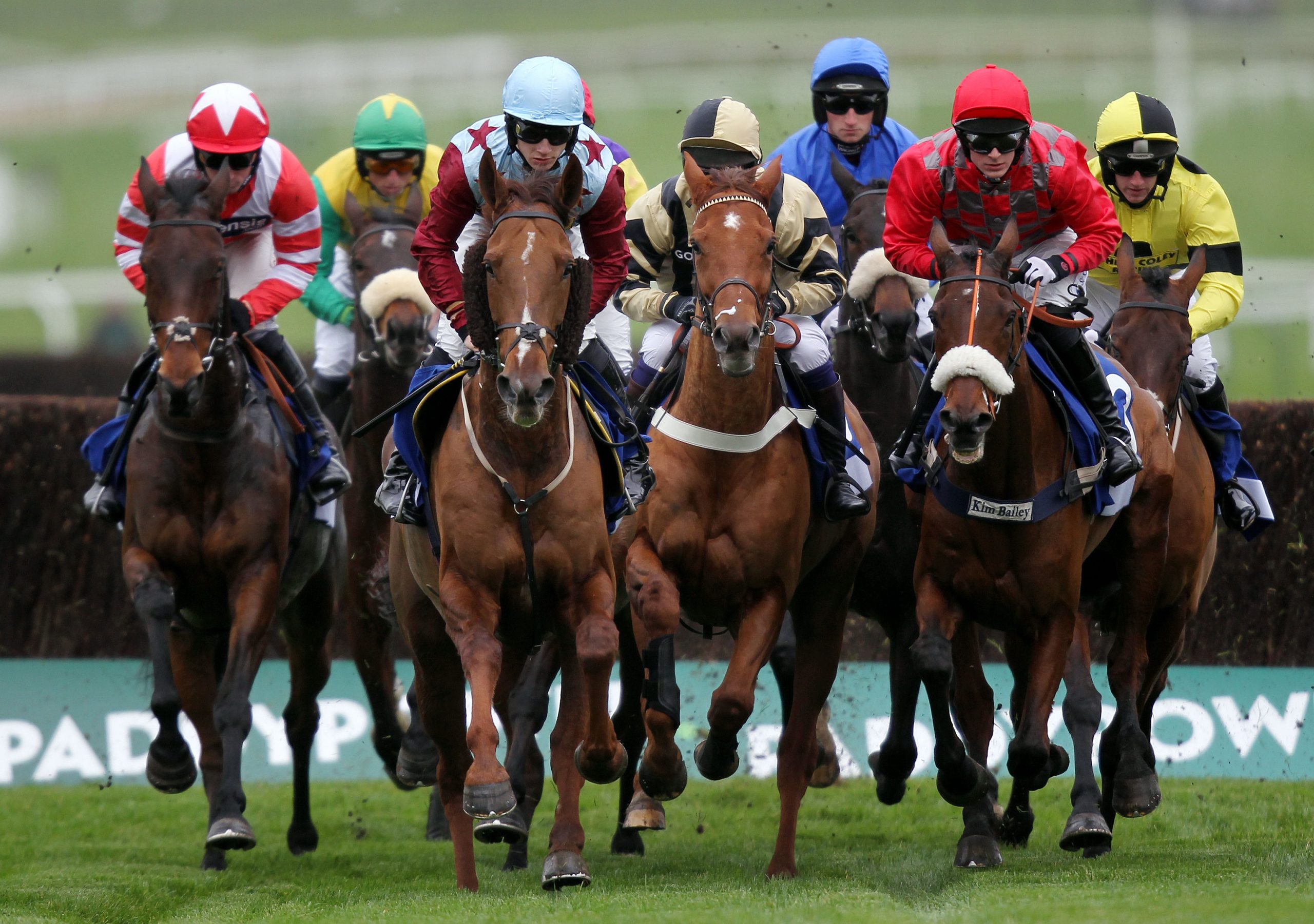
- The Cheltenham Festival spans four days in March and features 28 races, making it the most concentrated week of elite jump racing in the world.
- The Cheltenham Gold Cup, run on Day 4, is widely considered the pinnacle of National Hunt racing — and the prize money rivals the Grand National.
- Each day of the festival has its own identity, from the electric opening of Champion Day to the fashion-forward Ladies Day and the emotional crescendo of Gold Cup Day.
- Cheltenham Racecourse, known as Prestbury Park, hosts major racing events throughout the year — not just in March — including The Open in November and the International Meeting in December.
- There's more to a Cheltenham visit than the racing itself — from hospitality packages to dress codes, knowing what to expect makes all the difference.
Few sporting events anywhere in the world match the intensity, tradition, and sheer spectacle of what happens at Cheltenham Racecourse every March.
The Cheltenham Festival draws the finest jump racehorses from Britain and Ireland to compete across four unforgettable days at Prestbury Park in Gloucestershire. For anyone serious about horse racing, understanding the full calendar of Cheltenham events — not just the Gold Cup — unlocks a completely different level of appreciation for the sport. Event Masters offers a comprehensive range of hospitality packages for racegoers looking to experience Cheltenham in style.
Cheltenham Is the Home of Jump Racing — Here's Why It Matters
Cheltenham isn't just another racecourse. It is the spiritual home of National Hunt racing — the form of horse racing that involves jumps, grit, and a unique kind of stamina that flat racing simply doesn't demand. Every race run here carries weight far beyond the prize money on offer.
- Cheltenham Racecourse sits in a natural amphitheatre beneath Cleeve Hill, creating one of the most dramatic racing environments in the world.
- The track is famous for its undulating terrain, stiff fences, and the punishing uphill finish that tests every horse to its limit.
- It attracts the very best horses, trainers, and jockeys from across Britain and Ireland every single year.
- With prize money second only to the Grand National, the financial stakes match the sporting prestige.
- The festival alone draws tens of thousands of spectators over four days, creating an atmosphere unlike anything else in British sport.
Racing at Cheltenham means something. Winning here — whether it's the Gold Cup, the Champion Hurdle, or any of the 28 festival races — defines careers. Horses that dominate at Cheltenham become legends. Trainers who crack the festival's code earn their place in racing history.
The Cheltenham Festival: Four Days That Define the Racing Year
Every March, the racing world stops and watches Cheltenham. The festival runs across four days, with each day carrying its own headline race, its own atmosphere, and its own stories. The 28 races run over the four days represent the best jump racing has to offer, and the competition level is fierce from the very first race to the very last.
The famous "Cheltenham Roar" — the thunderous noise from the crowd as the first race of the festival begins — signals the start of what many consider the greatest four days in sport. There is simply nothing else like it.
Champion Day (Day 1): The Champion Hurdle and Opening Roar
Champion Day sets the tone for everything that follows. The standout event is the Champion Hurdle, the most prestigious hurdle race in jump racing. Run over two miles, it attracts the fastest, most nimble hurdlers in training. The race has produced some of the sport's most iconic moments and some of its most celebrated champions.
The opening day also includes the Arkle Challenge Trophy, a novice chase named after the legendary Arkle, and the Supreme Novices' Hurdle — a race that has historically launched careers of horses who go on to dominate the sport for years.
Ladies Day (Day 2): The Queen Mother Champion Chase
Day 2 brings a different kind of energy. The fashion stakes rise sharply on Ladies Day, with racegoers turning Prestbury Park into a showcase of style — particularly the hats. But beneath the glamour, the racing is serious. The Betway Queen Mother Champion Chase is a two-mile championship chase that rewards pure speed and jumping ability in equal measure.
Ladies Day regularly produces some of the festival's most memorable races, and the combination of high fashion and elite sport makes it one of the most photographed and talked-about days on the entire British racing calendar.
St Patrick's Thursday (Day 3): The Ryanair Chase and Stayers' Hurdle
By Day 3, the Irish contingent in the crowd is at full volume. St Patrick's Thursday is when the British-Irish rivalry that defines the Cheltenham Festival reaches its loudest point. Irish-trained horses have historically dominated this day, and the racing faithful from across the Irish Sea make their presence felt with green flags, songs, and no shortage of passion.
The Ryanair Chase, run over two miles and five furlongs, is one of the most competitive chases of the week and often features horses that could easily be lining up in the Gold Cup. The Stayers' Hurdle over three miles is a test of endurance and tactics, attracting a completely different type of horse — and a completely different type of racegoer who understands exactly what staying power looks like.
Day 3 Fast Facts:
🏇 The Ryanair Chase distance: 2 miles, 5 furlongs
🏇 The Stayers' Hurdle distance: 3 miles
🏇 Irish-trained horses have claimed a significant share of St Patrick's Thursday victories in recent decades, making it a key battleground in the annual British-Irish rivalry.
Gold Cup Day (Day 4): The Race That Crowns the Festival
Everything builds to this. Gold Cup Day is the emotional and sporting pinnacle of the entire festival. Six races lead into the main event, each one raising the tension another notch, until the Cheltenham Gold Cup itself goes to post. The crowd noise at this point is extraordinary — a wall of sound that every horse and jockey carries with them around the track.
Cheltenham Gold Cup: Everything You Need to Know
-
The Cheltenham Gold Cup is a Grade 1 National Hunt steeplechase run over three miles and two furlongs with 22 fences. It is run on the New Course at Prestbury Park and is open to horses aged five years or older. It is the defining race of the entire National Hunt season — the race every trainer, owner, and jockey wants on their CV above all others.
Race Detail
Information
Race Type
Grade 1 National Hunt Steeplechase
Distance
3 miles, 2 furlongs
Number of Fences
22
Eligible Horses
Aged 5 years or older
Course Used
New Course, Prestbury Park
Race Day
Day 4 (Gold Cup Day) of the Cheltenham Festival
Month
March
What Makes the Gold Cup the Pinnacle of Jump Racing
The Gold Cup demands everything from a horse. Unlike the Grand National, which carries an element of lottery due to its large field and unique obstacles, the Gold Cup is a championship race in every sense — a true test of the best steeplechaser in training over a genuinely demanding course.
The uphill finish at Cheltenham is brutal. Horses that have raced brilliantly for three miles can find themselves with nothing left as the track rises sharply in the final furlong. It separates class from stamina, and courage from everything else. To learn more about the challenges of this course, visit Cheltenham Festival course details.
- The undulating track tests balance and jumping technique throughout.
- The stiff Cheltenham fences demand accuracy at full racing speed.
- The famous hill finish rewards genuine stamina and racing class.
- A relatively small field means there is nowhere to hide — form and fitness are exposed completely.
- Legends of the sport including Arkle, Best Mate, and Kauto Star have defined their careers through Gold Cup victories.
Prize Money and Prestige Compared to the Grand National
The Cheltenham Festival as a whole offers prize money second only to the Grand National in British jump racing. While the Grand National at Aintree carries the larger single-race prize fund and commands a wider mainstream audience, the Gold Cup is considered by racing purists to be the more prestigious achievement — a championship race decided purely on merit rather than the weight-for-age handicap system used at Aintree.
Winning the Gold Cup places a horse in the company of the greatest steeplechasers who ever lived. That weight of history is something no prize money figure can fully capture.
Other Major Cheltenham Races Worth Marking on Your Calendar
The Cheltenham Festival in March dominates the conversation, but Prestbury Park hosts world-class racing throughout the entire season. Three other meetings in particular deserve serious attention from any committed racing enthusiast.
The International Meeting (December)
The International Meeting takes place in December and serves as a crucial mid-season temperature check for the sport's leading contenders. Many horses that will go on to target the Festival in March make their seasonal reappearance here, giving sharp-eyed racegoers an early look at the Gold Cup and Champion Hurdle picture before the market really tightens up.
The standout race of the International Meeting is the Unibet International Hurdle, a Grade 2 contest over two miles and one furlong that regularly attracts Champion Hurdle hopefuls. The December meeting also features the Paddy Power Gold Cup — a high-profile handicap chase that draws a huge betting market and consistently delivers dramatic finishes. For anyone who wants to get ahead of the festival narrative, the International Meeting is the perfect starting point.
The Open (November)
Held in November, The Open is Cheltenham's first major meeting of the National Hunt season and the one that truly signals the jump racing year is underway. It is built around the BetVictor Gold Cup, a Grade 3 handicap chase over two miles and four furlongs that carries significant prize money and genuine prestige. Trainers use The Open strategically — some target it as a season-defining objective, while others use it as a confidence-building run ahead of bigger targets later in the year.
The November meeting also features novice races that offer the first real look at the exciting young chasers and hurdlers that have come through from the previous season's point-to-point circuit. Spotting a future festival star at The Open before the market catches up is one of the great pleasures of following the sport closely.
The April Meeting
The April Meeting at Cheltenham serves a different purpose from the earlier fixtures — it is essentially the post-festival reset, a chance for horses that narrowly missed out in March to return to Prestbury Park and prove a point. The atmosphere is noticeably more relaxed than the intensity of the festival, making it an excellent entry point for newer racegoers who want the Cheltenham experience without the pressure of the main event.
Several of the races at the April Meeting carry Listed or Grade status, meaning the competition level remains seriously high even if the global spotlight has moved on. It is also a key fixture for jumpers transitioning toward summer and for trainers planning ahead to the following season's festival campaign.
How to Get Tickets for Cheltenham Racing Events
Getting your tickets sorted early is non-negotiable for the Cheltenham Festival — particularly for Gold Cup Day, which consistently sells out months in advance. The wider calendar meetings offer considerably more flexibility, but for the festival itself, planning ahead is everything.
Festival Tickets vs. Individual Race Day Tickets
Festival tickets are sold on a per-day basis rather than as a full four-day package, which gives racegoers the flexibility to choose the days that matter most to them. Champion Day and Gold Cup Day tend to go fastest, with Ladies Day close behind due to its dual appeal across racing fans and fashion-focused attendees.
Individual race day tickets for non-festival meetings — The Open, the International Meeting, and the April Meeting — are generally available much closer to the event date and represent excellent value for the quality of racing on offer. These meetings are a genuinely underrated option for serious racing fans who want world-class jump racing without the festival crowds and premium pricing.
Tickets are purchased directly through the official Cheltenham Racecourse website. Prices vary significantly depending on the enclosure chosen, the day selected, and whether hospitality is included. General admission tickets for the festival start at a lower price point, while premium enclosure access commands considerably more.
Hospitality Packages and Premium Experiences
Cheltenham offers some of the most sought-after hospitality experiences in British sport. Private boxes, fine dining rooms, and dedicated hospitality suites are available across the racecourse, many with direct views of the course and the famous finish line. Event Masters specialises in premium Cheltenham Festival hospitality packages, offering racegoers access to exclusive experiences that go well beyond a standard race day ticket.
Hospitality packages typically include race day badges, a dedicated table, a full dining experience with a set menu or buffet, and a racecard. The atmosphere inside the hospitality suites during the Gold Cup is remarkable — the noise from the grandstands carries through even the most insulated private dining room, and the moment the result is confirmed, the energy is electric regardless of where you are watching from.
Multi-Day and Group Booking Discounts
- Group bookings for 10 or more racegoers often qualify for discounted ticket rates across both festival and non-festival meetings.
- Multi-day packages are available for racegoers who want to attend more than one day of the festival, with combined pricing offering better overall value.
- Corporate hospitality packages can be tailored for larger groups, with bespoke dining and private viewing options available on request.
- Early bird pricing is occasionally available for non-festival meetings when tickets are purchased well in advance of the event date.
- Accessibility requirements can be accommodated with advance notice, including dedicated viewing areas and accessible hospitality spaces throughout Prestbury Park.
The key advice for festival bookings is simple: decide which day matters most to you and secure that ticket first. Gold Cup Day in particular has a habit of selling out before many people realise the window has closed.
Cheltenham Racecourse: Prestbury Park Explained
Prestbury Park is not just a name on a postcard — it is a racecourse that genuinely shapes the outcome of races in ways that no other track in Britain quite replicates. Understanding the course is fundamental to understanding why Cheltenham produces the racing it does.
The Course Layout and Why It Produces the Best Jump Racing
- Old Course: Used for many of the festival's shorter races, featuring tighter turns and a more technical jumping challenge.
- New Course: Home of the Cheltenham Gold Cup, offering a more galloping track that rewards stamina and jumping fluency.
- Cross Country Course: A unique addition used for the Cross Country Chase at the festival, featuring natural-style obstacles spread across the entire infield.
- The Finish Hill: The defining feature of Prestbury Park — an uphill run-in that exposes any fitness or stamina deficiency in the final stages of every race.
- Natural Amphitheatre Setting: The course sits beneath Cleeve Hill, creating a bowl effect that concentrates the crowd noise and contributes to the legendary Cheltenham atmosphere.
The fences at Cheltenham are notoriously stiff. They are built to be jumped cleanly at pace, and horses that are sloppy or imprecise over their obstacles are found out quickly. This is why Cheltenham consistently rewards horses with exceptional jumping technique alongside raw ability — the course demands both in equal measure.
The undulating nature of the track means horses cannot simply gallop in a straight line and trust their fitness to do the work. They must handle constant changes of gradient, adjust their stride patterns through the bends, and still have enough left in reserve when the ground rises sharply in the closing stages. It is, genuinely, the most complete test in jump racing.
The History Behind the Cheltenham Festival
Cheltenham's racing history stretches back further than most people realise, and understanding where the festival came from adds a layer of meaning to everything that happens on the track today.
From Market Harborough in 1860 to Prestbury Park in 1911
Horse racing at Cheltenham dates back to 1815, but the festival in its recognisable form began in 1860 — not at Prestbury Park, but at Market Harborough, where it was initially known as the Grand National Hunt Meeting. The event moved between several locations before finally settling permanently at Prestbury Park in 1911. That move proved to be defining. The natural terrain of the Cheltenham site, with its distinctive hill finish and amphitheatre setting, gave the festival the physical stage it needed to become what it is today.
How the Festival Became a British-Irish Racing Rivalry
The British-Irish dynamic at Cheltenham is one of the most compelling storylines in all of sport. Irish-trained horses and their connections travel to Prestbury Park every March with a singular purpose — to dominate the festival and return home with the prizes. In recent decades, Irish yards led by trainers such as Willie Mullins and Gordon Elliott have done exactly that, claiming an extraordinary share of festival winners and triggering celebrations that reverberate across Ireland for days afterward.
The rivalry has its roots in the competitive nature of National Hunt racing across both islands, where the best horses are bred, broken, and campaigned with Cheltenham as the ultimate destination. Every significant result at Leopardstown, Punchestown, and Naas during the winter months is filtered through the lens of what it might mean come March. When an Irish-trained horse wins the Gold Cup, it is a national moment. When Britain fights back, Cheltenham feels like a sporting battlefield in the very best sense of the phrase.
Make the Most of Your Visit to Cheltenham
A perfectly planned foodie weekend at Lower Mill Estate might begin with Friday afternoon arrival and a pre-ordered local food hamper waiting in your accommodation.
After settling in, enjoy a sunset drink on your terrace before dinner at the estate's restaurant featuring seasonal Cotswolds ingredients. Saturday morning could start with a visit to Stroud Farmers' Market to gather ingredients and meet local producers, followed by lunch at The Farmer's Dog to experience Jeremy Clarkson's culinary vision firsthand. The afternoon might include a brewery tour and tasting at Cotswold Brewing Company before returning to your accommodation to prepare a dinner featuring your market finds. Sunday could feature breakfast using artisanal bread and preserves before a visit to Daylesford Organic Farm for a cookery class and farm tour, concluding with a final dinner celebrating the best of Cotswolds produce.
Attending Cheltenham for the first time — or even the fifth time — is a genuinely different experience when you arrive prepared. The racecourse is large, the days are long, and the racing is relentless. Knowing what to expect from the moment you arrive makes every hour of the visit sharper and more enjoyable.
What to Wear for Each Race Day
Cheltenham has a dress code that varies meaningfully by day and by enclosure. The general rule across all four festival days is smart casual as a minimum in the main enclosures, with formal attire expected in the premium areas. Ladies Day on Day 2 raises the stakes considerably — this is the day when fashion becomes part of the event itself, with hats, fascinators, and considered outfits very much part of the occasion.
- Champion Day (Day 1): Smart casual to formal. A strong opening statement sets the right tone.
- Ladies Day (Day 2): Fashion-forward attire expected. Hats and fascinators are strongly encouraged and widely celebrated.
- St Patrick's Thursday (Day 3): Green is everywhere. Embrace it. Smart casual remains the baseline, but Irish colours dominate the crowd.
- Gold Cup Day (Day 4): The grandest day deserves the grandest outfit. Formal and semi-formal attire is the norm across the premium enclosures.
Flat, comfortable footwear is worth considering regardless of what else you wear — the racecourse is expansive, the ground can be soft in March, and the days run long from first race to last. Elegance and practicality are not mutually exclusive at Cheltenham, but one often wins out by the third race of the day.
Getting to Cheltenham Racecourse
Prestbury Park sits just outside Cheltenham town centre in Gloucestershire, approximately two hours from London by road and easily accessible by rail via Cheltenham Spa station. During the festival, special bus services run directly from the train station to the racecourse, making the journey straightforward for those arriving by public transport.
Driving to the racecourse during the festival is possible but requires advance planning — car parking passes must be purchased separately and in advance, as on-site parking is limited relative to the size of the crowd. The most stress-free approach for most visitors is the train to Cheltenham Spa followed by the dedicated racecourse shuttle. Traffic on the roads around Prestbury Park during festival week is significant, and late arrivals risk missing the opening race — and crucially, the Cheltenham Roar.
Cheltenham's Racing Calendar Is Unmissable — Here's Where to Start
Whether you are planning your first visit or your fiftieth, the Cheltenham racing calendar offers something genuinely extraordinary at every point of the season. The festival in March is the obvious starting point for most, but the November Open, the December International Meeting, and the April fixture all deliver world-class jump racing in a setting that has no equal. Start with the race that excites you most, secure your ticket early, and then let Cheltenham do the rest — it has been doing it since 1860, and it shows no signs of stopping. For more details on the events, check out The Cheltenham Festival.
Frequently Asked Questions
Below are the most common questions from racegoers and racing enthusiasts planning their Cheltenham experience. Each answer gets straight to the point so you can move forward with confidence.
When Does the Cheltenham Festival Take Place Each Year?
The Cheltenham Festival takes place annually in March, typically across the second or third week of the month. The exact dates shift slightly year to year based on the racing calendar, but the four-day format — Tuesday through Friday — remains consistent. The 2026 Cheltenham Festival follows this same structure.
It is worth checking the official Cheltenham Racecourse website early in the autumn preceding the festival to confirm exact dates, as hospitality packages and the most sought-after tickets begin selling well before Christmas.
How Many Races Are Run at the Cheltenham Festival?
The Cheltenham Festival features 28 races across its four days, with seven races scheduled on each day. Every race carries significant prize money and competitive fields, meaning there is genuinely no throwaway contest across the entire festival. From the opening Supreme Novices' Hurdle on Champion Day to the last race on Gold Cup Day, the standard of competition is consistently exceptional.
What Is the Cheltenham Roar?
The Cheltenham Roar is the spontaneous, thunderous sound produced by the festival crowd the moment the tapes go up for the very first race of the festival on Champion Day. It is not choreographed or planned — it simply happens, every year, as tens of thousands of racegoers release the anticipation that has been building since the previous March. It is widely regarded as one of the most distinctive and spine-tingling sounds in all of British sport, and experiencing it in person at Prestbury Park is something that stays with you.
Can You Attend Cheltenham Races Outside of the Festival?
Absolutely. Cheltenham Racecourse hosts high-quality National Hunt racing throughout the entire jump season. The three key non-festival meetings are The Open in November, the International Meeting in December, and the April Meeting following the festival. Each offers Grade 1 and Grade 2 racing, strong fields, and the unique Prestbury Park atmosphere — without the festival-level ticket prices or crowd sizes. For serious racing fans, these meetings are an underrated opportunity to watch elite jump racing in a more relaxed environment.
What Is the Difference Between the Cheltenham Gold Cup and the Grand National?
The Cheltenham Gold Cup and the Grand National are both prestigious National Hunt races, but they are fundamentally different contests. The Gold Cup is a championship race — a Grade 1 steeplechase run over three miles and two furlongs at Prestbury Park, decided purely on merit with no weight penalties applied based on ability. The best horse on the day wins, and the result is rarely disputed.
The Grand National at Aintree, by contrast, is a handicap race — horses carry different weights based on their ability ratings, which theoretically gives every runner an equal chance. It is run over an extraordinary four miles and two and a half furlongs across 30 unique fences, including the iconic Becher's Brook. Fields of up to 40 runners create a race where fortune plays a significantly larger role than in the Gold Cup.
In terms of public profile, the Grand National reaches a far wider mainstream audience and is watched by millions of casual viewers who rarely follow racing at other times of the year. In terms of pure racing prestige among those who follow the sport seriously, the Cheltenham Gold Cup holds the higher honour — it is the championship title, the measure of the best staying chaser in training.
Both races belong on every racing fan's must-watch list, but for different reasons. The National delivers spectacle and drama on an almost unmanageable scale. The Gold Cup delivers something rarer — the definitive answer to the question of which horse is the greatest steeplechaser of its generation.
For racegoers ready to experience Cheltenham at its finest, Event Masters provides premium hospitality packages across all major Cheltenham race meetings, giving enthusiasts the very best seat in the house for every moment that matters. For more details on the Cheltenham Festival, visit the official event page.
(Information correct at time of writing, February 2026)