
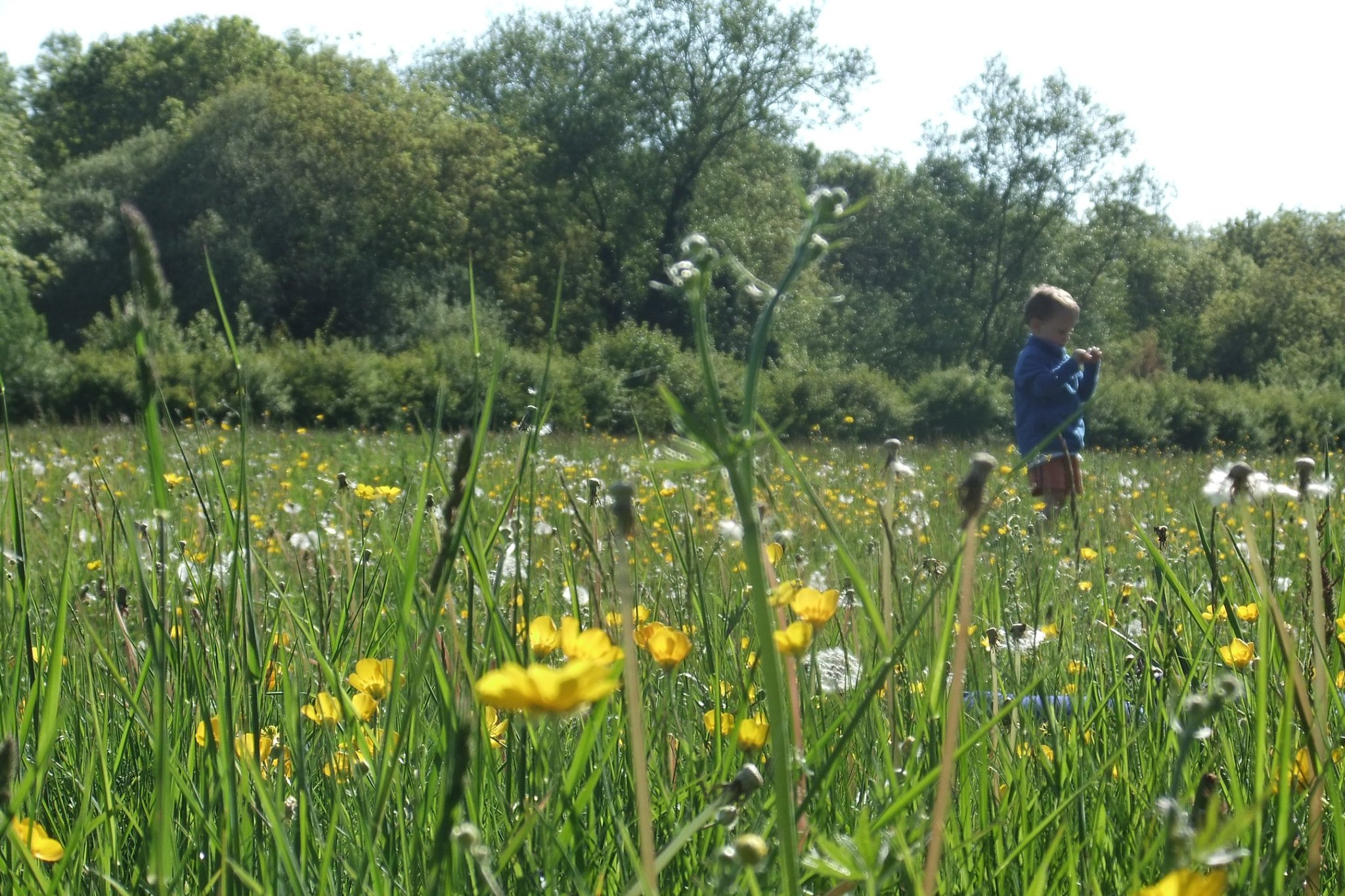
Nature and Wellbeing: Why Reconnecting with the Outdoors Is One of the Most Important Health Movements of Our Time
Many of our guests tell us that they feel a sense of wellbeing
as a result of their stay,
and we enjoy this same refreshment ourselves when we enjoy
the outdoor natural life at Cornerstone Cottage.
We thought we would explore a bit more...
In the past century, humanity has achieved extraordinary progress in medicine, technology and urban development. Yet paradoxically, many societies are experiencing rising levels of stress, anxiety, chronic illness and social isolation.
One of the most overlooked reasons is simple: we have become increasingly disconnected from the natural world.
For most of human history, daily life unfolded outdoors. Movement, fresh air, natural light and seasonal rhythms were part of everyday existence. Today, people spend the majority of their lives indoors—working at desks, commuting in vehicles and relaxing in front of screens.
This shift has profound implications for our physical health, mental wellbeing, social relationships and even our sense of meaning.
Across disciplines—from medicine and psychology to urban design and education—a growing body of research and cultural insight is pointing toward a powerful conclusion:
Reconnecting people with nature may be one of the most important wellbeing movements of the 21st century.
Places that encourage outdoor living, such as the lake landscapes surrounding Lower Mill Estate in the Cotswolds, provide a glimpse of what this reconnection can look like in practice.
The Human-Nature Connection
Through History, humans in nature – primarily living outdoors. Our bodies, brains and emotional systems developed in environments filled with trees, rivers, wildlife and changing seasons.
Psychologists often refer to this deep connection as biophilia—a natural human affinity for the living world.
When people spend time in natural environments, something remarkable happens:
- heart rates slow
- breathing deepens
- muscles relax
- attention sharpens
- mood improves
The body responds as though it has returned to a familiar and safe place.
Modern urban life, by contrast, exposes the brain to constant stimulation: traffic noise, screens, artificial light and information overload. Over time this creates cognitive fatigue, stress and emotional depletion.
Nature offers the opposite: restorative environments that allow the mind and body to reset.
Nature as Preventative Healthcare
Healthcare systems around the world are increasingly recognising the role nature plays in prevention and recovery.
Research shows that time in green spaces can:
- reduce blood pressure
- improve cardiovascular health
- boost immune function
- improve sleep quality
- reduce symptoms of anxiety and depression
Even relatively short periods outdoors can produce measurable benefits.
Some doctors now prescribe “green exercise”—walking, gardening or cycling in natural environments—as part of treatment for mental health and lifestyle-related illnesses.
This shift reflects a broader understanding that wellbeing is not only about treating disease but creating environments that help people stay healthy.
Mental Restoration in a Distracted World
One of the most profound benefits of nature is its effect on the mind.
Modern work and technology require intense concentration. Email notifications, meetings, social media and constant information streams place heavy demands on attention.
Psychologists describe this as directed attention, a mental process that becomes fatigued when overused.
Natural environments support a different type of attention called soft fascination. Watching ripples on water, leaves moving in the wind or birds flying overhead gently engages the mind without exhausting it.
This allows the brain’s cognitive systems to recover.
The result is improved focus, creativity and emotional resilience.
Many people report that their best ideas come while walking outdoors—an observation supported by research showing that creativity can increase significantly during time in nature.
The Emotional and Spiritual Dimension
Nature does more than restore cognitive function; it also touches deeper aspects of human experience.
Many people describe outdoor moments as transformative.
Watching sunrise across a lake, walking through ancient woodland or sitting quietly beside water can evoke feelings of awe, gratitude and perspective.
These experiences can:
- reduce feelings of isolation
- encourage mindfulness
- deepen emotional awareness
- create a sense of belonging within the natural world
Psychologists increasingly recognise awe as an important emotional state that helps people step outside everyday worries and reconnect with something larger than themselves.
In a time when many people feel overwhelmed by complexity and uncertainty, these experiences can be profoundly grounding.
The Social Power of Shared Outdoor Experiences
Nature is also one of the most powerful settings for human connection.
Unlike many indoor activities, outdoor experiences naturally encourage conversation, collaboration and shared discovery.
A family cycling together, friends paddleboarding on a lake or grandparents walking with grandchildren through woodland are not simply exercising—they are creating shared memories.
Outdoor environments encourage slower, more meaningful interactions.
Without the distractions of screens and schedules, people tend to talk more openly, listen more carefully and experience a stronger sense of connection.
For families in particular, outdoor time plays a vital role in strengthening relationships across generations.
Childhood, Curiosity and Outdoor Play
Children may benefit from nature more than anyone else.
Unstructured outdoor play supports:
- physical development
- imagination and creativity
- problem-solving skills
- emotional resilience
- confidence and independence
In natural environments, children climb, build, explore and invent games. These experiences stimulate curiosity and encourage learning through discovery.
Unfortunately, many modern childhoods have become increasingly indoor-focused.
The result is what some researchers call “nature deficit”—a lack of meaningful outdoor experiences that can affect physical health, attention and emotional development.
Reintroducing children to nature is therefore not simply recreational; it is developmentally essential.
Lessons from Scandinavian Outdoor Culture
Few regions demonstrate the benefits of outdoor living as clearly as Scandinavia.
Countries such as Norway, Sweden and Denmark embrace a cultural philosophy known as friluftsliv, which translates loosely as “open-air living.”
Friluftsliv encourages people to spend time outdoors regularly and simply, regardless of the season.
Children attend forest kindergartens where learning happens outside. Families hike, cycle, ski and swim in lakes throughout the year.
Importantly, these activities are not treated as extreme sports or special events.
They are simply part of everyday life.
This approach helps explain why Nordic countries consistently rank among the happiest and healthiest societies in the world.
The key lesson is that nature does not need to be distant wilderness. It can exist within communities and daily routines.
Designing Places That Encourage Outdoor Living
If nature is so important for wellbeing, an important question follows:
How can communities design environments that encourage people to spend more time outdoors?
Urban planners, architects and landscape designers are increasingly exploring this challenge.
Successful nature-based communities typically share several characteristics:
- access to lakes, rivers or green spaces
- extensive walking and cycling paths
- wildlife habitats and natural landscapes
- opportunities for water activities
- spaces for relaxation and social interaction
When these elements are thoughtfully integrated, the result is an environment that naturally draws people outside.
A good example can be found in the lakes and nature reserves surrounding Lower Mill Estate.
Located in the heart of the Cotswolds countryside, the estate sits within a landscape of lakes, meadows and woodland that invites exploration.
Here, outdoor activities are not occasional attractions but part of everyday life.
Residents and visitors can walk along nature trails, cycle between lakes, paddleboard across calm water or simply watch wildlife from the shoreline.
The design encourages a slower rhythm where nature is always close at hand.
Water, Movement and Natural Environments
Water environments are particularly powerful for wellbeing.
Lakes, rivers and coastlines offer unique sensory experiences—the sound of water, reflections of light, open horizons—that help people relax and focus.
Activities such as kayaking, paddleboarding and open-water swimming combine physical exercise with the calming effect of natural surroundings.
For many people, water-based activities provide a profound sense of freedom and presence.
In lake environments like those surrounding Lower Mill Estate, water becomes a central part of daily life, encouraging both adventure and reflection.
Outdoor Living Across the Seasons
Another important aspect of nature-based wellbeing is embracing seasonal change.
Many cultures treat outdoor activities as summer pursuits, retreating indoors during colder months.
However, places with strong outdoor traditions approach the seasons differently.
Spring invites exploration as landscapes come back to life.
Summer encourages swimming, cycling and long evenings outdoors.
Autumn offers woodland walks and wildlife encounters.
Winter brings crisp air, frost-covered landscapes and invigorating cold-water swims followed by warming saunas.
Each season offers unique experiences and emotional qualities.
Learning to enjoy the outdoors year-round creates a deeper relationship with nature.
Multigenerational Wellbeing
One of the most powerful aspects of outdoor environments is their ability to bring different generations together.
Unlike many leisure activities that cater to specific age groups, nature is inherently inclusive.
Children explore and play.
Parents engage in active pursuits.
Older generations enjoy slower experiences such as walking, birdwatching and fishing.
This shared participation strengthens family bonds and creates meaningful collective memories.
Nature becomes a common ground where everyone can participate at their own pace.
The Future of Wellbeing
As societies confront challenges such as rising mental health issues, sedentary lifestyles and digital overload, the importance of nature will likely continue to grow.
Governments, healthcare providers and community planners are increasingly recognising that wellbeing is shaped not only by individual choices but by the environments people inhabit.
Access to nature is emerging as a crucial factor in public health.
Communities that integrate green spaces, water environments and outdoor activities into everyday life may help address some of the most pressing wellbeing challenges of modern society.
Relearning an Ancient Habit
Ultimately, the movement toward nature-based wellbeing is not about discovering something new.
It is about remembering something ancient.
For thousands of years, humans lived closely connected to the natural world.
Sunlight, fresh air, movement and seasonal rhythms were simply part of daily life.
Reintroducing these elements does not require radical change.
It begins with small steps:
- walking outdoors
- exploring parks and countryside
- swimming in natural waters
- cycling with family
- spending time observing wildlife
Places designed around nature, such as the landscapes surrounding Lower Mill Estate in the Cotswolds, demonstrate how powerful these experiences can be when they become part of everyday living.
In the end, reconnecting with nature is not simply about leisure.
It is about health, happiness and the kind of life people want to live.
And perhaps the most important lesson is beautifully simple:
The path to wellbeing might begin with something as small as stepping outside.