Winter Hiking Trails in the Cotswolds: An Adventurer's Guide
Article At A Glance
- Winter transforms the Cotswolds into a quieter, more magical landscape with frost-covered fields, clearer views, and almost no crowds.
- The Cotswold Way is one of Britain's most scenic long-distance paths and is walkable year-round, including in winter.
- Layered clothing, waterproof boots, and basic navigation tools are essential for safe and comfortable winter hiking in the Cotswolds.
- Several trails range from easy 2-mile village loops to challenging 8-mile hilltop routes with panoramic views stretching to the Welsh mountains.
- Active England Tours offers guided and self-guided winter walking tours across the Cotswolds for those who want expert local support on the trail.
Most people visit the Cotswolds in summer — which means winter hikers get one of England's most beautiful landscapes almost entirely to themselves.
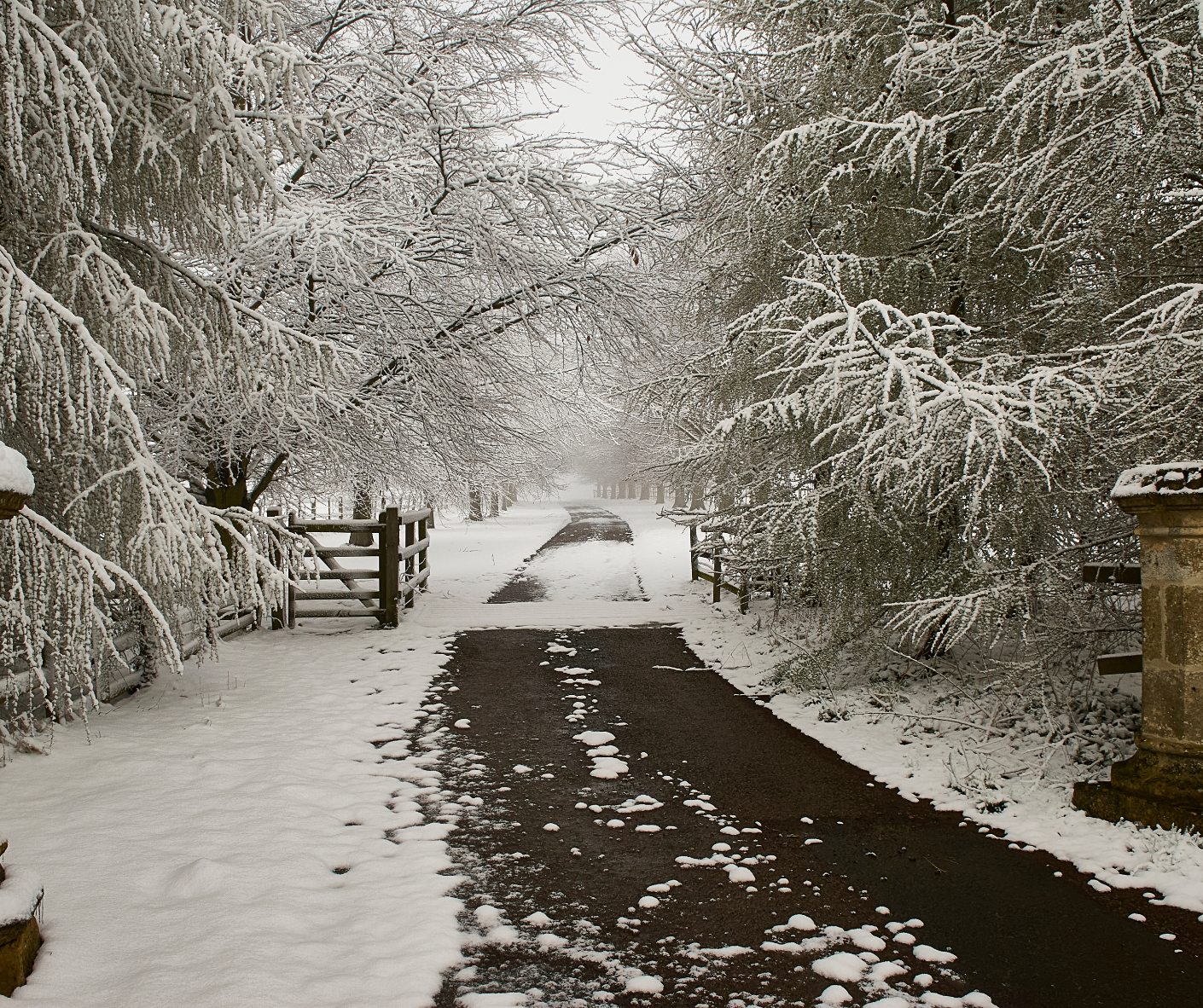
The Cotswolds is a 787-square-mile Area of Outstanding Natural Beauty (AONB) spanning parts of Gloucestershire, Oxfordshire, Warwickshire, Worcestershire, and Wiltshire. In winter, the rolling limestone hills, honey-stone villages, and ancient hedgerows take on an entirely different character. Frost clings to the fields in the early morning. Mist settles in the valleys. The trees, stripped of leaves, open up views that summer completely hides. If you want the Cotswolds at its most raw and atmospheric, this is the season.
Whether you're planning your first winter walk or looking to explore new routes, Active England Tours has put together some of the best winter walks in the Cotswolds alongside expert guidance for making the most of the season.
Winter Is the Best Time to Hike the Cotswolds
Here's the thing most travel guides won't tell you: summer in the Cotswolds is genuinely crowded. The villages of Bourton-on-the-Water and Burford can feel more like theme parks than countryside retreats between June and August. Winter flips that entirely.
Popular summer trails become quiet sanctuaries where you can walk for miles without meeting another soul. The shorter days create a natural urgency that makes every walk feel more purposeful. And on clear winter days, the visibility is extraordinary — hilltop routes that are hazy in summer reveal sharp, sweeping views across multiple counties. Some walkers report seeing as far as the Welsh mountains on the clearest days from the higher Cotswold escarpment.
While some attractions close for winter and a few pubs operate reduced hours, winter walking in the Cotswolds is very much possible — and arguably more magical than any other season.
What to Wear and Pack for Winter Hiking in the Cotswolds
Getting your kit right makes the difference between a miserable slog and an unforgettable day out. The Cotswolds isn't an extreme environment, but winter conditions here can shift fast. Temperatures drop, paths get muddy, and mist can roll in and cut visibility to just a few metres within minutes.
Layering System: Base, Mid, and Outer Layers
The layering system is the foundation of comfortable winter hiking anywhere, and the Cotswolds is no exception. You start with a moisture-wicking base layer that pulls sweat away from your skin as your body temperature rises on the climb. Over that, an insulating mid-layer — a fleece or lightweight down jacket — traps warmth when you stop for a break or when the wind picks up on the ridge. The outer shell is your waterproof, breathable barrier against rain and wind.
The key advantage of this system is flexibility. You can strip back a layer on a steep ascent and add it back when you reach an exposed hilltop. This is especially important in the Cotswolds, where terrain can shift from sheltered valley paths to open, wind-exposed ridgelines within a single walk.
Layer-by-Layer Breakdown for Winter Cotswolds Hiking:
Base Layer: Merino wool or synthetic moisture-wicking fabric. Avoid cotton — it holds moisture and chills fast.
Mid Layer: Fleece jacket or lightweight down. Packable options work best so you can store it easily when you warm up.
Outer Shell: Waterproof and windproof jacket with sealed seams. Gore-Tex or similar breathable membrane recommended.
Legs: Lightweight walking trousers with a water-resistant finish. Waterproof overtrousers packed as backup.
Hands: Lightweight liner gloves under waterproof outer mitts for flexibility and warmth.
Head: Thermal hat and buff or neck gaiter. A significant amount of body heat escapes from the head.
Footwear That Won't Let You Down on Muddy Trails
Cotswolds paths in winter are frequently waterlogged, and the limestone clay soil turns into thick, slippery mud after rain. Waterproof, ankle-supporting walking boots are non-negotiable. Look for boots with a Vibram or equivalent rubber outsole for grip on wet grass and muddy descents. Gaiters are worth packing too — they keep mud and water out of your boots on the worst stretches and make a real difference on a long day out.
Navigation Tools You Actually Need
Winter mist in the Cotswolds can reduce visibility dramatically and quickly. A downloaded offline map on your phone — apps like OS Maps or ViewRanger work well — combined with a physical OS Explorer map of the relevant area is the smart combination. Don't rely solely on phone battery in cold weather; lithium batteries drain faster in low temperatures. A small portable power bank and a basic compass round out your navigation kit without adding much weight.
Winter Hiking Essentials Checklist
- Waterproof walking boots with ankle support
- Three-layer clothing system (base, mid, shell)
- Waterproof overtrousers (packed as backup)
- Thermal hat, buff, and gloves
- OS Explorer paper map of your route
- Offline navigation app (OS Maps or ViewRanger)
- Portable power bank for cold-weather phone drain
- High-calorie snacks and a hot drink in a flask
- Head torch (days are short — starts dark, ends dark)
- First aid kit and emergency whistle
- Fully charged phone with someone knowing your route
The Best Winter Hiking Trails in the Cotswolds
The Cotswolds offers everything from gentle 2-mile village loops to challenging 8-mile hilltop routes. Winter conditions add a layer of atmosphere to every single one of them. Here are the routes that genuinely reward the effort in the colder months.
The Cotswold Way: Britain's Most Scenic Long-Distance Path
The Cotswold Way is a 102-mile National Trail running from Chipping Campden in the north to Bath in the south. It follows the western escarpment of the Cotswold Hills, delivering near-constant views across the Severn Vale and, on the clearest winter days, far into Wales. The trail is well-waymarked with the National Trail acorn symbol, making navigation straightforward even in reduced winter visibility.
You don't need to walk the whole thing. Day sections of the Cotswold Way make outstanding winter hikes on their own. The stretch between Broadway Tower and Fish Hill is particularly rewarding — exposed enough for big views but with enough tree cover to provide shelter when the wind bites. Multi-day end-to-end walks are also possible in winter for experienced hikers who plan carefully around the short daylight hours.
Bourton-on-the-Water to Burford: A Classic Winter Route
This route covers roughly 7 miles through the Windrush Valley, connecting two of the Cotswolds' most iconic villages. In summer, both villages are packed. In winter, you'll likely have the riverside paths almost entirely to yourself, with the River Windrush running full and fast after autumn rainfall.
Route Snapshot: Bourton-on-the-Water to Burford
Distance: ~7 miles (one way)
Difficulty: Moderate
Terrain: River valley paths, field crossings, quiet lanes
Highlights: River Windrush, Rissington villages, Burford High Street
Winter Consideration: Low-lying sections can flood after heavy rain — check local conditions before setting out
The path dips through the tiny Rissington villages — Little Rissington, Great Rissington, and Wyck Rissington — each barely more than a cluster of stone cottages around a church. These villages see almost no tourist traffic in winter, and the sense of stepping into another century is genuinely powerful on a cold, grey January morning.
Navigation on this route is straightforward, following the Windrush Valley Way for much of the distance. The low-lying riverside sections are the main winter challenge — after prolonged rain, parts of the path can flood. Check conditions locally before heading out and wear gaiters as a precaution.
Arriving into Burford from the north on foot — descending the hill into the town with the High Street dropping away below you — is one of the great small moments in English walking. The reward at the bottom is a proper Cotswold pub lunch, and in winter, you'll get a seat by the fire without any trouble at all.
Stow-on-the-Wold Circular Walk
Stow-on-the-Wold sits at 800 feet above sea level, making it one of the highest towns in the Cotswolds and one of the most exposed in winter. That exposure is exactly what makes the circular walks around it so rewarding on a clear day. The views from the surrounding fields stretch out in every direction across open wolds landscape — the wide, rolling plateau that gives the region its name. For more information on scenic winter walking routes, check out this guide to the Cotswolds.
A circular route from Stow typically covers 5 to 7 miles, taking in the surrounding villages of Lower Swell, Upper Swell, and the Swells Valley. The paths here cross open arable farmland and follow ancient trackways that have been used for centuries. In winter, when the fields are bare and the sky is enormous, the landscape has a stark, almost Scandinavian quality that's completely different from the lush green of summer.
Blenheim Palace Estate Walk
Blenheim Palace in Woodstock offers one of the most accessible and visually dramatic winter walks in the wider Cotswolds area. The estate covers over 2,000 acres of Capability Brown-designed parkland, and in winter, the bare oak trees, frozen lake edges, and wide gravel paths create a landscape that feels genuinely cinematic. Entry to the parkland on foot is free, making this an easy addition to any winter trip.
The main estate loop covers around 4 miles and follows the perimeter of the Great Lake before climbing through Column of Victory Park and returning through the formal gardens. Winter is arguably the best time to walk it — the summer crowds vanish entirely, the deer that roam the parkland are more visible against the bare landscape, and the palace itself looks extraordinary reflected in still, cold water on a clear morning.
- Distance: ~4-mile estate loop
- Difficulty: Easy to moderate, mostly flat gravel paths
- Highlights: Great Lake, Column of Victory, deer herds, Capability Brown parkland
- Practical note: Parkland entry is free on foot; palace interior has a separate admission charge
- Winter bonus: Blenheim runs a Christmas light trail in December — an entirely different after-dark experience
For families or less experienced walkers, the Blenheim estate walk is the ideal winter introduction to Cotswolds hiking. The paths are well-maintained, the terrain is gentle, and the visual payoff is enormous. It also connects easily into Woodstock village, where several good cafes and pubs are open year-round.
Winchcombe to Hailes Abbey Trail
This 4-mile route connects the market town of Winchcombe with the ruins of Hailes Abbey, a 13th-century Cistercian monastery managed by English Heritage. The path follows sections of both the Cotswold Way and the Wychavon Way, crossing open farmland with wide views toward Bredon Hill and the Malvern Hills. In winter, the ruined abbey walls rising from a frost-covered field carry a particular kind of quiet drama that's hard to describe but impossible to forget.
Winchcombe itself is an underrated base for winter walking. It sits directly on the Cotswold Way and offers access to several different trail directions, including the climb to Belas Knap — one of the best-preserved Neolithic long barrows in England at roughly 4,000 years old. The combination of Hailes Abbey and Belas Knap in a single day makes for a genuinely extraordinary winter hiking circuit of around 7 to 8 miles for those with the energy and daylight to spare.
Safety on Winter Trails in the Cotswolds
The Cotswolds is not a dangerous mountain environment, but winter conditions here deserve genuine respect. Short daylight hours, rapidly changing weather, and slippery paths create real risks if you head out underprepared. The single most important safety habit you can build is simple: tell someone your planned route and expected return time before you leave.
How to Read Winter Weather in the Cotswolds
Cotswolds weather in winter is famously unpredictable. A morning that starts bright and clear can turn grey, wet, and misty by early afternoon. The Met Office provides detailed regional forecasts for the area — check it the evening before and again on the morning of your walk. Pay particular attention to wind speed on the exposed hilltop routes like the Stow-on-the-Wold circular or the Broadway Tower section of the Cotswold Way, where gusts can be significantly stronger than in the valleys below.
Mist is the most common serious hazard on Cotswolds winter walks. It can reduce visibility to just a few metres and turns even familiar paths into navigation challenges. If mist is forecast to thicken during the afternoon, plan routes that bring you back to your base or a road crossing before conditions deteriorate. Valley routes along the Windrush or Evenlode rivers are safer options in low-visibility conditions than open hilltop circuits.
What to Do If Conditions Turn Dangerous
If weather deteriorates beyond what you're equipped for, turn back early — there is no shame in cutting a walk short. Stick to the path you know rather than attempting shortcuts across fields, which can become waterlogged and disorienting in mist. If you become genuinely lost in poor visibility, stop moving, use your compass and map to orient yourself, and if necessary, call 999 and ask for Mountain Rescue — they cover the Cotswolds as well as upland areas and would rather respond to a cautious call than a serious one.
The Best Villages to Walk from in Winter
Where you sleep shapes the walks you can do. The right base gives you direct trail access, somewhere warm to return to after dark, and the kind of village atmosphere that makes a winter walking trip feel complete. These three villages deliver all of that.
Bourton-on-the-Water: Trail Access With Town Comforts
Bourton-on-the-Water is one of the most connected walking bases in the Cotswolds, sitting at the intersection of multiple long-distance and circular trails. The Windrush Valley Walk, the Oxfordshire Way, and several well-marked circular routes all pass through or start from the village. In winter, the famous low bridges over the River Windrush are at their most photogenic, with the water running high and fast after autumn rain.
The village retains a good selection of accommodation, pubs, and cafes that stay open through winter, making it a practical as well as scenic base. It's also well-positioned for day trips to other trail start points — Burford, Northleach, and the Slaughters are all within easy driving distance, giving you a different route option every day of a week-long stay.
Stow-on-the-Wold: Christmas Markets and Rolling Hills
Stow-on-the-Wold earns its reputation as the best winter base in the northern Cotswolds for good reason. In December, the town square hosts one of the region's most authentic Christmas markets, drawing local producers rather than generic stalls. The surrounding wolds landscape — wide open, elevated, and genuinely exposed — delivers some of the most dramatic winter walking in the entire area, with big skies and long views that feel completely different from the enclosed valley walks further south.
Chipping Campden: Gateway to the Northern Cotswolds
Chipping Campden is the official northern starting point of the Cotswold Way, and in winter, its High Street of perfectly preserved medieval wool merchants' houses is breathtaking with minimal tourist traffic. The town connects directly to the Broadway Tower route — one of the finest winter day walks in the Cotswolds — and sits within easy reach of Dover's Hill, a natural amphitheatre on the escarpment edge with views that stretch across the Vale of Evesham on clear winter days.
Where to Warm Up After a Winter Hike
One of the great unspoken pleasures of winter hiking is the contrast — the cold, the effort, the open sky — followed by stepping into a warm pub with a proper fire and ordering something hot. The Cotswolds does this better than almost anywhere else in England, and knowing where to head before you set out makes the end of every walk something to genuinely look forward to.
The Eight Bells Inn in Chipping Campden has been welcoming walkers since the 14th century and serves food and real ales in a low-beamed interior that defines what a Cotswold winter pub should feel like. In Winchcombe, the White Hart Inn sits directly on the Cotswold Way route and is walker-friendly without reservation. For the Bourton-on-the-Water area, the Mousetrap Inn in nearby Bourton itself offers reliable food and a warm atmosphere even on the quietest winter weekday. Most Cotswolds villages have at least one pub that stays open year-round — part of the planning process for any good winter walking day is identifying which one sits at the end of your route.
Historic Pubs Worth Walking To
The Eight Bells Inn in Chipping Campden is one of the oldest and most atmospheric pubs on the Cotswold Way, dating back to the 14th century. It serves hearty food and real ales in a low-beamed interior with an open fire — exactly what you want after a cold morning on the escarpment. In Winchcombe, the White Hart Inn sits directly on the trail route and has a long history of welcoming walkers without fuss. For the southern end of the Cotswold Way, the Old Crown in Uley is a genuine local pub with real character and a fire that's usually lit from October through March.
Tea Rooms and Cafes Open in Winter
Not every post-walk reward needs to involve a pint. The Cotswolds has a strong tradition of independent tea rooms, and a surprising number stay open through the winter months. In Bourton-on-the-Water, the Croft Tea Room serves homemade cakes and proper loose-leaf tea year-round. Burford's Huffkins bakery and tea room — a Cotswolds institution since 1890 — is open through winter and serves some of the best cream teas in the region alongside freshly baked bread that's hard to walk past.
A few practical tips for winter cafe-hopping in the Cotswolds: opening hours do reduce between November and February, and smaller village tea rooms may close entirely on weekdays outside the Christmas period. It's always worth calling ahead or checking Google listings before building a cafe stop into your route plan. The last thing you want is to plan your entire afternoon around a hot chocolate that turns out to be unavailable on a Tuesday in January.
- Huffkins, Burford — Open year-round, famous for cream teas and fresh-baked bread since 1890
- Croft Tea Room, Bourton-on-the-Water — Homemade cakes and loose-leaf tea, walker-friendly
- Tisanes Tea Rooms, Broadway — Charming independent tea room in one of the Cotswolds' most photogenic villages
- The Old Stocks Inn, Stow-on-the-Wold — Coffee and light lunches in a beautifully converted historic building
- Chatsworth Cafe, Chipping Campden — Small, welcoming, and perfectly positioned for post-Cotswold Way refuelling
The pattern across most Cotswolds villages is that at least one cafe or tea room will be open on weekends throughout winter, even in smaller settlements. Weekend winter walks are therefore easier to plan around guaranteed refreshment stops, while weekday walkers should verify ahead.
Guided vs. Self-Guided Winter Walking Tours in the Cotswolds
Both options work well in the Cotswolds in winter — the choice comes down to your experience level, how much planning you want to handle, and whether you prefer company on the trail. Self-guided walking gives you complete flexibility: you set your own pace, choose your own daily distances, and can adapt routes on the day based on conditions. Operators like Active England Tours provide detailed walking packs with route notes, maps, and accommodation pre-booked, meaning you get the freedom of independent walking with the logistics handled. Guided tours, on the other hand, pair you with a local expert who knows exactly where the paths flood, which viewpoints are worth the detour, and which pub does the best pie in the county — knowledge that genuinely changes the quality of a winter walking trip. For more insights, check out this ultimate guide to hiking the Cotswold Way.
The Cotswolds in Winter Rewards Those Who Show Up
There is a version of the Cotswolds that most people never see — frost on the limestone walls at dawn, empty village streets, hilltop views that stretch for fifty miles under a cold blue sky, a fire and a pint waiting at the end of a trail walked in near-silence. That version belongs entirely to winter hikers. The walking isn't technically demanding, the trails are well-marked, and the infrastructure of pubs, tea rooms, and welcoming villages makes it one of the most forgiving winter hiking destinations in the country. You just have to show up.
Frequently Asked Questions
Winter hiking in the Cotswolds raises a few practical questions that are worth addressing directly before you plan your trip. The answers are mostly reassuring — this is an accessible, well-managed landscape that handles winter walkers well — but the details matter.
Here are the most common questions from people planning their first winter Cotswolds walking trip.
Are Cotswolds Walking Trails Safe in Winter?
Yes, Cotswolds walking trails are safe in winter when you prepare appropriately. The terrain is classified as moderate — rolling hills and valley paths rather than exposed mountain ridges — and the trails are well-waymarked year-round. The main hazards are muddy, slippery paths after rain, rapidly descending mist on hilltop routes, and short daylight hours that require careful timing. Wear waterproof boots with good grip, carry a head torch, check the Met Office forecast before you leave, and tell someone your planned route. With those basics covered, the Cotswolds is one of the safest winter walking environments in England.
Which Months Are Best for Winter Hiking in the Cotswolds?
November through February covers the core winter walking season in the Cotswolds, but the conditions vary significantly across those months. November and early December offer the best combination of autumn colour remnants, manageable temperatures, and relatively long daylight hours compared to deep winter. January is the quietest month of all — the Christmas visitors have gone, the villages are genuinely empty, and the landscape is at its most stark and dramatic. February starts to feel like the turning point, with snowdrops appearing in churchyards and the days noticeably lengthening. All four months deliver excellent walking; the experience just shifts in character as winter deepens and then begins to ease.
Do You Need a Guide to Hike the Cotswolds in Winter?
No, you don't need a guide to hike the Cotswolds in winter. The trails are well-waymarked, OS maps and offline navigation apps cover the entire area in detail, and the landscape is manageable for walkers with basic navigation skills and appropriate gear. The Cotswold Way in particular is one of the best-signed long-distance trails in England, making it very accessible for independent walkers.
That said, a guided tour adds genuine value in winter. A local guide knows which routes are currently affected by flooding, where the best winter viewpoints are, and how to time walks to make the most of the short daylight hours. For first-time visitors or those unfamiliar with the area, a guided or self-guided tour package removes the planning burden entirely and often reveals routes and spots that independent walkers simply wouldn't find on their own.
Are Pubs and Cafes Open Along Cotswolds Trails in Winter?
Most pubs along the main Cotswolds trails stay open year-round, including through the quieter winter months. Village pubs in particular tend to maintain regular hours because they serve local communities rather than relying solely on tourist trade. You can generally count on finding an open pub at the end of a full day's walk on the Cotswold Way or the Windrush Valley Walk.
Cafes and tea rooms are more variable. Larger village tea rooms in places like Bourton-on-the-Water, Burford, and Chipping Campden stay open through winter, especially on weekends. Smaller independent cafes in quieter villages may reduce hours or close entirely on weekdays outside the December period. The practical rule: assume pubs will be open, verify cafes before you go.
What Is the Easiest Winter Hiking Trail in the Cotswolds for Beginners?
The Blenheim Palace estate walk in Woodstock is the most accessible winter hiking option for beginners in the Cotswolds area. The 4-mile loop follows well-maintained gravel paths across flat to gently rolling parkland, making it manageable in virtually any winter weather conditions. Entry to the parkland on foot is free, the paths are clear, and the visual reward — Capability Brown's designed landscape, the Great Lake, and the palace itself — is immediate and dramatic. For more scenic routes, check out the most scenic winter walking routes in the Cotswolds.
For a slightly longer beginner option on natural trails, the Winchcombe to Hailes Abbey route covers 4 miles across open farmland with modest elevation change. The paths are well-marked and the destination — a ruined 13th-century Cistercian abbey — provides genuine historical interest alongside the walking. Both routes are achievable in well under half a day, leaving time to explore the nearby village and find a warm pub before the light fades.
If you're building up to longer walks, the Bourton-on-the-Water to the Slaughters circular is a natural next step at around 5 miles. It connects two of the most photographed villages in the Cotswolds along easy riverside and field paths, with very little elevation gain and multiple points where you can cut the route short if needed.
Active England Tours specialises in guided and self-guided walking holidays across the Cotswolds, helping adventurers of all experience levels discover the region's most rewarding trails in every season.